

In the realm of simulation technology, the demand for high - performance simulator materials is ever - growing. One of the critical properties that users often look for is high corrosion resistance. As a leading simulator materials supplier, I am well - versed in the importance of this characteristic and the available options in the market.
Corrosion is a natural process that involves the deterioration of materials due to chemical reactions with their environment. In the context of simulator materials, corrosion can have severe consequences. For instance, in a Simulated Training Field, materials are exposed to various elements such as moisture, oxygen, and sometimes even harsh chemicals. If the materials used in the simulation equipment are not corrosion - resistant, they can quickly degrade. This not only shortens the lifespan of the equipment but also affects the accuracy and reliability of the simulation.
Let's first explore the different types of simulator materials and their corrosion - resistance capabilities.
Metals and Alloys
Metals are commonly used in simulator construction due to their strength and durability. However, pure metals often have limited corrosion resistance. For example, iron is highly prone to rusting when exposed to moisture and oxygen. But by alloying iron with other elements such as chromium, nickel, and molybdenum, we can create stainless steels. Stainless steels are well - known for their excellent corrosion resistance. They form a passive oxide layer on their surface, which acts as a barrier against further corrosion.
In the Battlefield Environment Simulation System, stainless steel can be used for components that need to withstand harsh environmental conditions, such as outdoor enclosures for sensors or structural parts of the simulation platforms. The high corrosion resistance of stainless steel ensures that these components can function properly for an extended period, reducing maintenance costs and downtime.
Another alloy with good corrosion resistance is aluminum alloy. Aluminum has a natural oxide layer that provides some protection against corrosion. By adding elements like magnesium and silicon, the corrosion resistance and mechanical properties of aluminum alloys can be further enhanced. Aluminum alloys are lightweight, which is an advantage in many simulator applications where weight reduction is crucial, such as in portable simulation equipment.
Polymers
Polymers are another class of materials widely used in simulator construction. They offer several advantages, including good chemical resistance and low cost. For example, polyethylene is a common polymer with excellent resistance to many chemicals and moisture. It can be used in the construction of storage containers or protective covers in a Simulated Training Field.
Polyvinyl chloride (PVC) is also a popular choice. It is resistant to water, acids, and alkalis. PVC pipes can be used for fluid transportation in simulator systems, such as in hydraulic or pneumatic simulation setups. The corrosion - resistant nature of PVC ensures that the pipes do not degrade over time, maintaining the integrity of the fluid - handling systems.
Composites
Composites are materials made by combining two or more different materials to achieve superior properties. Fiberglass is a well - known composite material consisting of glass fibers embedded in a polymer matrix. Fiberglass has high strength, low weight, and excellent corrosion resistance. It can be used in the construction of large - scale simulator structures, such as the hulls of simulated watercraft or the frames of aircraft simulators.
Carbon fiber composites are another type of high - performance composite. They are extremely strong and lightweight, and also have good corrosion resistance. In high - end simulator applications, such as aerospace or automotive simulators, carbon fiber composites can be used for components that require high strength - to - weight ratios and long - term durability in corrosive environments.
Ceramics
Ceramics are known for their high hardness, wear resistance, and excellent corrosion resistance. They can withstand high temperatures and are resistant to many chemicals. In simulator applications, ceramics can be used in high - stress and corrosive environments. For example, ceramic bearings can be used in rotating parts of simulation equipment. The corrosion - resistant property of ceramics ensures that the bearings do not wear out quickly due to chemical attacks, providing smooth and reliable operation.
When selecting simulator materials with high corrosion resistance, several factors need to be considered. Firstly, the specific environment in which the simulator will operate is crucial. If the simulator is for outdoor use, it will be exposed to rain, sunlight, and pollutants, so materials with high resistance to weathering are required. On the other hand, if the simulator is used in a chemical - rich environment, materials resistant to specific chemicals need to be chosen.
Secondly, the mechanical properties of the materials are also important. The materials should have sufficient strength and stiffness to withstand the loads and stresses during simulation operations. For example, in a flight simulator, the materials used for the cockpit structure need to be strong enough to support the weight of the equipment and the forces generated during flight maneuvers.

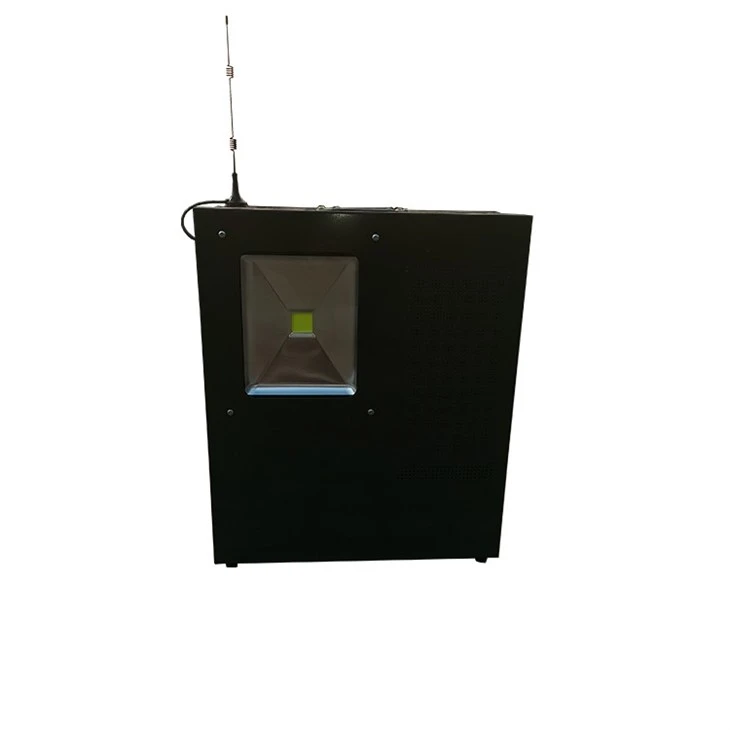
As a simulator materials supplier, we offer a wide range of high - corrosion - resistant materials to meet different customer needs. Our team of experts can provide professional advice on material selection based on the specific requirements of your simulator project. Whether you are building a Simulated Training Field, a Battlefield Environment Simulation System, or any other type of simulator, we have the right materials for you.
We understand that choosing the right materials is a critical step in ensuring the success of your simulation project. That's why we are committed to providing high - quality materials and excellent customer service. If you are interested in our simulator materials or need more information, please feel free to contact us for procurement and negotiation. We look forward to working with you to create reliable and long - lasting simulation solutions.
References
- Callister, W. D., & Rethwisch, D. G. (2010). Materials Science and Engineering: An Introduction. Wiley.
- Ashby, M. F., & Jones, D. R. H. (2005). Engineering Materials 1: An Introduction to Properties, Applications, and Design. Butterworth - Heinemann.
- Schaffer, J. P., Wegman, R. F., & Harwell, J. H. (1999). Polymer Science and Engineering. Prentice Hall.


