

Shock Wave Lifting Target devices are crucial components in modern military and police shooting training scenarios. As a leading provider of these devices, I understand the significance of proper maintenance to ensure optimal performance, safety, and longevity. In this blog post, I will delve into the essential maintenance requirements for Shock Wave Lifting Target devices, exploring everything from routine checks to more in - depth servicing.
Routine Visual Inspections
Regular visual inspections are the first line of defense in maintaining Shock Wave Lifting Target devices. These inspections should be carried out on a daily or weekly basis, depending on the frequency of use. Start by looking at the overall structure of the target. Check for any signs of physical damage, such as cracks, dents, or loose parts. Pay close attention to the joints and connections where the target is assembled. Any looseness in these areas can affect the stability and functionality of the device during operation.
Also, examine the surface of the target. Since Shock Wave Lifting Targets are often exposed to high - impact forces from projectiles, the surface may become worn or damaged over time. If there are significant scratches or holes on the impact surface, it can compromise the accuracy of the target's reaction to shock waves. For more information about the Shock Wave Lifting Target, you can visit Shock Wave Lifting Target.
Electrical System Checks
Most Shock Wave Lifting Target devices are equipped with electrical components that are essential for their operation. This includes sensors, motors, and control units. Regular electrical system checks are necessary to ensure these components are working correctly.
Begin by inspecting the electrical wiring. Look for any signs of fraying, loose connections, or corrosion. Damaged wiring can lead to electrical malfunctions, which may cause the target to malfunction or even pose a safety hazard. Use a multimeter to test the voltage and continuity of the electrical circuits. Make sure that all sensors are calibrated correctly. Incorrect sensor calibration can result in inaccurate target reactions, such as false positives or missed hits.
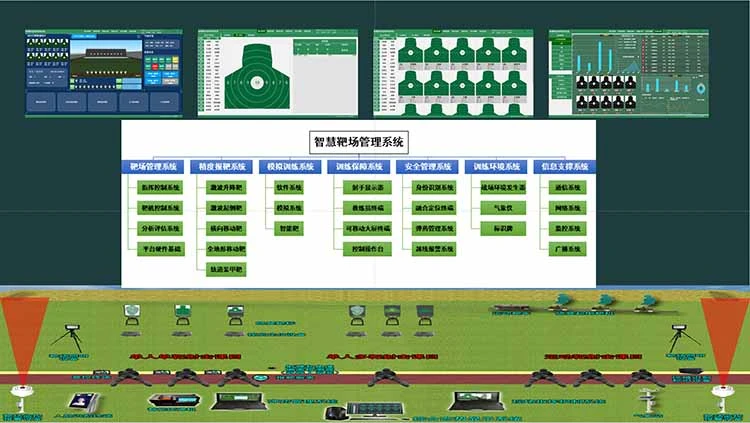
The control unit is the brain of the device. Check the software and firmware for any updates. Outdated software can lead to compatibility issues and limit the functionality of the target. Many modern Shock Wave Lifting Targets are integrated with Smart Shooting Range Management System. Keeping the software up - to - date ensures seamless communication between the target and the management system.
Mechanical Component Maintenance
The mechanical components of Shock Wave Lifting Target devices play a vital role in their operation. The lifting mechanism, in particular, needs regular attention. Lubricate all moving parts, such as gears, bearings, and hinges, on a regular basis. This reduces friction and wear, extending the lifespan of these components.
Check the alignment of the lifting mechanism. Misalignment can cause the target to lift unevenly or not at all. Use precision tools to ensure that all parts are properly aligned. Tighten any loose bolts or screws that may affect the mechanical stability of the device.
The shock - absorbing components are also critical. These components are designed to withstand the impact of projectiles and protect the internal parts of the target. Inspect them for signs of wear and tear. If they are damaged, replace them immediately to prevent further damage to the device.
Environmental Considerations
The environment in which Shock Wave Lifting Target devices are used can significantly impact their maintenance requirements. If the targets are used outdoors, they are exposed to various weather conditions, such as rain, humidity, and extreme temperatures.
In a humid environment, corrosion can be a major problem. Protect the metal parts of the device with anti - corrosion coatings. Regularly clean the device to remove any dirt, salt, or moisture that may accumulate on the surface. In areas with high temperatures, the electrical components may overheat. Ensure proper ventilation around the device and consider using heat - resistant materials.
If the targets are used in dusty or sandy environments, the dust can clog the moving parts and sensors. Install dust filters and clean them regularly. Make sure to clean the entire device thoroughly after each use to prevent the build - up of debris.
Testing and Calibration
Regular testing and calibration are essential to maintain the accuracy and reliability of Shock Wave Lifting Target devices. Conduct functional tests on a regular basis to ensure that the target responds correctly to shock waves. Use a calibrated shock - generating device to simulate different levels of impact and check the target's reaction.
Calibrate the sensors and control units to ensure accurate detection and response. This may require specialized equipment and software. Follow the manufacturer's guidelines for calibration procedures. Incorrect calibration can lead to inconsistent target performance, affecting the quality of training sessions.
Spare Parts Management
As a Shock Wave Lifting Target supplier, I understand the importance of having a well - managed spare parts inventory. Keep a stock of commonly used spare parts, such as sensors, motors, wiring, and shock - absorbing components. This ensures that any faulty parts can be replaced quickly, minimizing downtime.

Regularly review the spare parts inventory and replenish it as needed. Establish relationships with reliable suppliers to ensure a steady supply of high - quality spare parts. Having a comprehensive spare parts management system in place can save time and money in the long run.
Training for Maintenance Personnel
Proper maintenance of Shock Wave Lifting Target devices requires trained personnel. Provide training to your maintenance staff on the specific maintenance procedures for these devices. This includes how to conduct visual inspections, electrical system checks, mechanical component maintenance, and testing and calibration.
Training should also cover safety procedures. Maintenance personnel should be aware of the potential hazards associated with working on electrical and mechanical systems. Provide them with the necessary safety equipment, such as gloves, goggles, and insulated tools.
Documentation and Record - Keeping
Maintain detailed documentation of all maintenance activities. This includes inspection reports, test results, calibration records, and spare parts replacements. Documentation is essential for tracking the maintenance history of each device, identifying recurring problems, and ensuring compliance with maintenance schedules.
Use a digital maintenance management system to store and organize these records. This makes it easier to access and analyze the data, allowing for better decision - making regarding maintenance and repairs.
Conclusion
Proper maintenance of Shock Wave Lifting Target devices is essential for their optimal performance, safety, and longevity. By following the maintenance requirements outlined in this blog post, you can ensure that your targets operate smoothly and provide accurate training results.
As a dedicated Shock Wave Lifting Target supplier, I am committed to providing high - quality products and comprehensive support for maintenance. If you are interested in learning more about our products or have specific maintenance requirements, I encourage you to reach out for procurement and further discussions. We also offer related products such as Laterally Moving Target to meet your diverse training needs.
References
- Manufacturer's manuals for Shock Wave Lifting Target devices
- Industry standards for shooting range equipment maintenance
- Technical papers on the operation and maintenance of smart shooting range targets


