

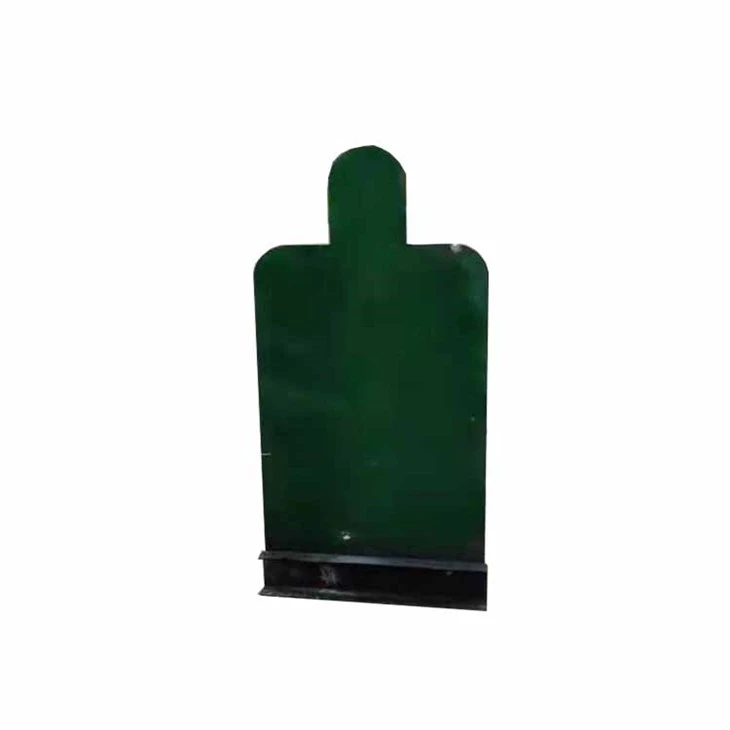
Adjusting the height of a steel plate chest target is a crucial aspect of setting up an effective shooting range. Whether you are a professional shooter, a shooting range operator, or an enthusiast, getting the height right can significantly enhance the shooting experience and accuracy. As a steel plate chest target supplier, I understand the importance of this process and am here to guide you through it.
Why Adjust the Height of a Steel Plate Chest Target?
Before delving into the adjustment process, it's essential to understand why height adjustment matters. The height of the target can affect the shooter's aim, stance, and overall shooting technique. A target that is too high or too low can lead to inaccurate shots, frustration, and even potential safety hazards.
For example, if the target is set too high, the shooter may need to crane their neck or raise their arms at an uncomfortable angle, which can throw off their aim. On the other hand, a target that is too low may cause the shooter to hunch over or bend their knees, also affecting their shooting accuracy.
Moreover, the height of the target should be adjusted based on the type of shooting being done. For instance, if you are practicing long-range shooting, you may need to set the target at a higher elevation to account for the bullet's trajectory. In contrast, close-range shooting may require a lower target height for better accuracy.
Factors to Consider Before Adjusting the Height
Several factors should be taken into account before adjusting the height of a steel plate chest target. These include:
Shooter's Height and Stance
The height of the shooter is a crucial factor in determining the appropriate target height. A taller shooter may prefer a higher target, while a shorter shooter may find a lower target more comfortable. Additionally, the shooter's stance, whether standing, kneeling, or prone, can also influence the target height.
Shooting Distance
The distance between the shooter and the target is another important consideration. As mentioned earlier, longer shooting distances may require a higher target elevation to compensate for the bullet's drop. Conversely, shorter distances may allow for a lower target height.
Type of Shooting
The type of shooting you are engaging in, such as target shooting, hunting, or competitive shooting, can also affect the target height. Different shooting disciplines may have specific requirements or preferences regarding target height.
Safety
Safety should always be a top priority when adjusting the height of a steel plate chest target. Ensure that the target is securely mounted and at a safe height to prevent any potential accidents or injuries.
Tools and Equipment Needed
To adjust the height of a steel plate chest target, you will need the following tools and equipment:
Measuring Tape
A measuring tape is essential for accurately measuring the height of the target and ensuring that it is set at the desired elevation.
Wrenches or Screwdrivers
Depending on the type of mounting system used, you may need wrenches or screwdrivers to loosen and tighten the bolts or screws holding the target in place.
Ladder or Step Stool
If the target is mounted at a high elevation, you may need a ladder or step stool to reach it safely.
Level
A level can help ensure that the target is mounted straight and level, which is important for accurate shooting.
Step-by-Step Guide to Adjusting the Height
Now that you have considered the factors and gathered the necessary tools, here is a step-by-step guide to adjusting the height of a steel plate chest target:
Step 1: Determine the Desired Height
Based on the factors discussed earlier, determine the ideal height for the target. Use a measuring tape to mark the desired height on the mounting surface.

Step 2: Loosen the Mounting Bolts or Screws
Using the appropriate wrenches or screwdrivers, loosen the bolts or screws holding the target in place. Be careful not to remove them completely, as you will need to re-tighten them later.
Step 3: Adjust the Target Height
Carefully lift or lower the target to the desired height. Use the measuring tape to ensure that the target is at the correct elevation. If necessary, use a level to make sure the target is straight and level.
Step 4: Re-tighten the Mounting Bolts or Screws
Once the target is at the desired height and level, re-tighten the bolts or screws to secure the target in place. Make sure the bolts or screws are tightened firmly, but not so tight that they damage the target or the mounting surface.
Step 5: Test the Target
After adjusting the height, test the target by taking a few practice shots. Check the accuracy of your aim and make any necessary adjustments to the target height if needed.
Additional Tips and Considerations
Here are some additional tips and considerations to keep in mind when adjusting the height of a steel plate chest target:
Regular Maintenance
Regularly inspect the target and its mounting system to ensure that it is in good condition. Check for any signs of wear, damage, or loose bolts or screws. Tighten any loose fasteners and replace any damaged parts as needed.
Use a Stable Mounting System
Make sure the target is mounted on a stable and secure surface. A wobbly or unstable mounting system can affect the target's height and accuracy. Consider using a heavy-duty mounting bracket or stand to ensure the target remains steady during shooting.
Consider the Environment
The environment in which the target is located can also affect its height and performance. For example, wind, rain, and extreme temperatures can cause the target to shift or become damaged. Take these factors into account when adjusting the height and choose a location that is protected from the elements.
Consult with a Professional
If you are unsure about how to adjust the height of a steel plate chest target or have any concerns about safety, it is always a good idea to consult with a professional. A shooting range operator, gunsmith, or experienced shooter can provide valuable advice and guidance.
Conclusion
Adjusting the height of a steel plate chest target is a relatively simple process that can have a significant impact on the shooting experience and accuracy. By considering the factors discussed in this blog post and following the step-by-step guide, you can ensure that your target is set at the ideal height for your needs.
As a Steel Plate Target and Half Body Steel Plate Target supplier, we are committed to providing high-quality shooting equipment and excellent customer service. If you have any questions or need further assistance with adjusting the height of your target or selecting the right target for your needs, please do not hesitate to contact us. We would be happy to help you with your procurement and answer any questions you may have.
References
- American National Standards Institute (ANSI). (2018). Safety requirements for shooting ranges. ANSI Z29.1-2018.
- National Rifle Association of America (NRA). (2019). Basic pistol shooting manual. NRA Publications.
- Shooting Industry Foundation (SIF). (2020). Range safety officer training manual. SIF Publications.


