

Safety is of paramount importance at any live fire shooting venue. As a supplier of equipment for live fire shooting venues, I understand the critical role that comprehensive safety briefings play in ensuring the well - being of all participants. In this blog, I will delve into the various types of safety briefings provided at a live fire shooting venue.
General Safety Overview
The first part of the safety briefing typically begins with a general overview of the shooting venue. This includes an introduction to the layout of the facility, such as the location of the shooting lanes, the safety barriers, and the emergency exits. Participants are informed about the boundaries of the shooting area and areas where they are strictly prohibited from entering during live fire sessions.
For example, there are often designated no - go zones behind the targets where the risk of being hit by stray bullets is high. By clearly defining these areas, we can prevent accidental incursions and reduce the potential for serious accidents. Additionally, the briefing covers the basic rules of the venue, such as the requirement to wear appropriate safety gear at all times. Safety glasses and ear protection are mandatory, and participants are educated on the importance of these items in protecting their eyes and hearing from the impact of gunfire.
Firearm Safety
One of the most crucial aspects of the safety briefing is firearm safety. Participants are taught the fundamental rules of handling firearms, which include always treating a firearm as if it is loaded, keeping the muzzle pointed in a safe direction, and keeping fingers off the trigger until ready to shoot. These rules are repeated multiple times during the briefing to reinforce their importance.
Moreover, we provide detailed instructions on the specific firearms that will be used at the venue. This includes how to load and unload the firearm safely, how to operate the safety mechanisms, and how to clear a jam if one occurs. For instance, if a semi - automatic pistol is being used, participants will be shown how to properly insert and remove the magazine, and how to rack the slide to chamber a round or clear a malfunction.
It is also essential to discuss the different types of ammunition that will be used. Participants are informed about the characteristics of the ammunition, such as its caliber, velocity, and potential range. This knowledge helps them understand the power and danger associated with the firearms they are using.
Target and Equipment Safety
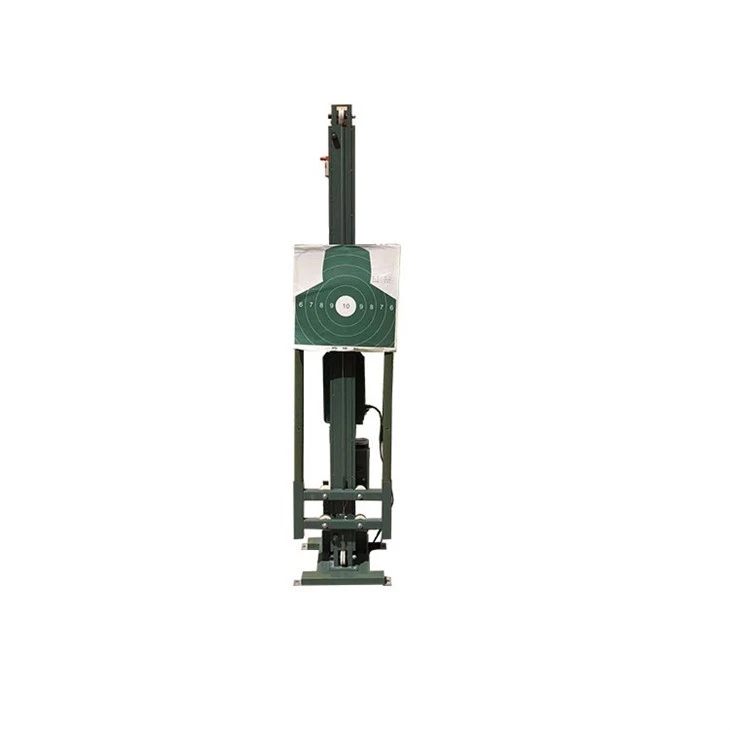
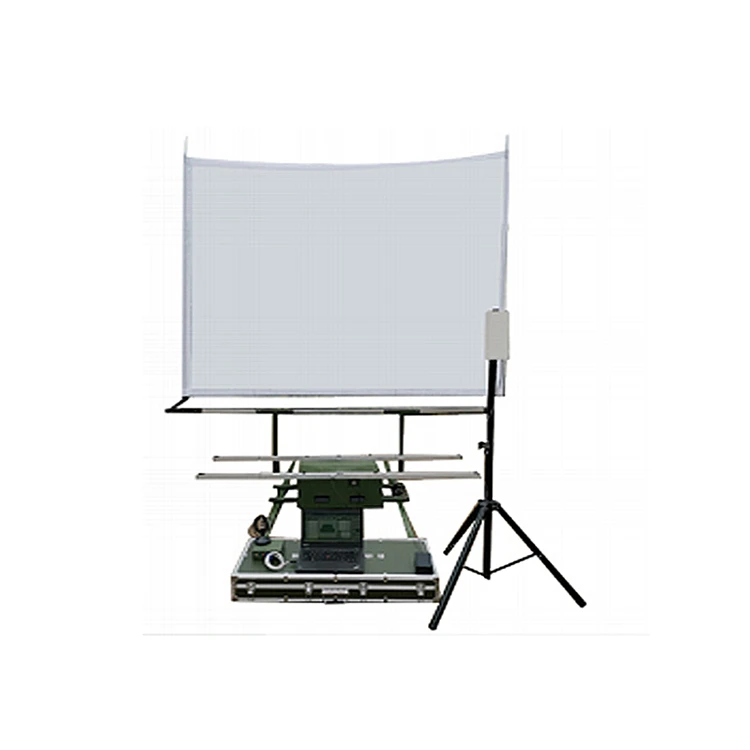
At our live fire shooting venue, we use a variety of advanced equipment, such as the [Armored Target Reporting System](/live - fire - shooting - venue/armored - target - reporting - system.html), [Lifting Target Machine with Reporting Target](/live - fire - shooting - venue/lifting - target - machine - with - reporting - target.html), and [24V Lifting Target](/live - fire - shooting - venue/24v - lifting - target.html). During the safety briefing, we explain how these pieces of equipment work and the safety precautions associated with them.
The Armored Target Reporting System is designed to accurately report the location and number of hits on the target. Participants are informed that they should not attempt to tamper with the system in any way, as this could not only damage the equipment but also pose a safety risk. The system is armored to protect it from bullet impacts, but any unauthorized interference could compromise its integrity.
The Lifting Target Machine with Reporting Target allows for dynamic target presentation. We teach participants that they should not approach the target machine while it is in operation. The moving parts of the machine can cause serious injury if a person gets too close. Similarly, the 24V Lifting Target is a reliable and efficient piece of equipment, but it also requires proper handling. Participants are advised to stay clear of the lifting mechanism to avoid being pinched or crushed.
Range Safety Procedures
Range safety procedures are a vital part of the safety briefing. We explain the process of entering and exiting the shooting range. Participants are required to follow a specific sequence, which usually involves waiting for an all - clear signal from the range officer before entering the shooting area. Once on the range, they must stay in their assigned shooting lanes and not cross over into other lanes without permission.
During live fire sessions, there are strict rules regarding when shooting is allowed. The range officer has full control over the firing line, and participants must follow their commands at all times. For example, if the range officer calls "Cease fire," all participants must immediately stop shooting, unload their firearms, and place them in a safe position.
We also cover the procedures for handling emergencies on the range. This includes knowing the location of the first - aid kits and how to perform basic first - aid procedures in case of an injury. Participants are informed about the emergency evacuation plan, which outlines the steps to take in the event of a serious incident, such as a fire or a major equipment malfunction.
Environmental and Weather - related Safety
The environment and weather conditions can have a significant impact on safety at a live fire shooting venue. During the safety briefing, we discuss the potential hazards associated with different environmental factors. For example, in hot weather, participants are reminded to stay hydrated to prevent heat - related illnesses. They are also advised to take breaks in shaded areas to avoid overexposure to the sun.
In wet or rainy conditions, there is an increased risk of slipping and falling on the range. Participants are instructed to wear appropriate footwear with good traction and to be extra cautious when moving around. Additionally, wet conditions can affect the performance of firearms and equipment. We explain how to properly maintain and protect the firearms to prevent malfunctions caused by moisture.
Post - shooting Safety
After the shooting session is over, there are still important safety procedures to follow. Participants are required to unload their firearms completely and present them to the range officer for inspection. This ensures that there are no live rounds left in the firearm.
They are also advised to clean their firearms properly to maintain their performance and longevity. We provide information on the correct cleaning procedures and the necessary cleaning equipment. Finally, participants are reminded to store their firearms safely when they leave the venue, following all local laws and regulations regarding firearm storage.
Conclusion
In conclusion, a comprehensive safety briefing at a live fire shooting venue is essential for the safety of all participants. It covers a wide range of topics, from general safety rules and firearm handling to equipment safety, range procedures, environmental factors, and post - shooting safety. By providing clear and detailed information, we can minimize the risks associated with live fire shooting and create a safe and enjoyable experience for everyone.
If you are interested in equipping your live fire shooting venue with high - quality and safe equipment, we invite you to contact us for procurement and further discussions. We are committed to providing the best solutions for your shooting venue needs.
References
- National Shooting Sports Foundation. Firearm Safety Guidelines.
- International Association of Chiefs of Police. Range Safety Manual.


