In the realm of modern data - driven industries, the concept of server clusters has become a cornerstone of digital infrastructure. A server cluster is a group of interconnected servers that work together to provide enhanced performance, reliability, and scalability. But the question that often arises is: Can a cluster of servers run independently? As a provider of solutions that enable servers to run independently, I'm eager to delve into this topic and share some insights.
Understanding Server Clusters
Before we explore the independence of server clusters, it's essential to understand what they are. A server cluster is a collection of servers that are connected via a network. These servers can be physical machines or virtual instances. The primary purpose of a server cluster is to distribute workloads across multiple servers, ensuring high availability and fault tolerance. For example, in a large - scale e - commerce application, a server cluster can handle thousands of concurrent user requests, preventing any single server from becoming overloaded.
The Case for Independent Operation
At first glance, the idea of a server cluster running independently might seem counterintuitive. After all, the whole point of clustering is to have servers work together. However, there are scenarios where independent operation of a server cluster can be highly beneficial.
Self - Healing Capabilities
One of the key aspects of independent operation is self - healing. In a well - designed server cluster, each server can detect and respond to failures on its own. For instance, if a particular server in the cluster experiences a hardware failure, the other servers can automatically redistribute the workload. This self - healing mechanism ensures that the cluster can continue to function without significant disruption, even in the face of hardware or software issues.
Decentralized Management
Independent server clusters can also operate with decentralized management. Instead of relying on a central control point, each server in the cluster can make decisions based on its local state and the overall health of the cluster. This decentralized approach allows for greater flexibility and resilience. For example, if a network partition occurs, the servers on either side of the partition can continue to operate independently, maintaining essential services.
Resource Optimization
When servers in a cluster can run independently, they can optimize their resource usage more effectively. Each server can adjust its processing power, memory allocation, and other resources based on its current workload. This dynamic resource management leads to better overall performance and cost - efficiency.
Technical Challenges and Solutions
Running a server cluster independently is not without its challenges. There are several technical hurdles that need to be overcome to ensure the smooth operation of an independent server cluster.
Communication and Coordination
One of the main challenges is maintaining communication and coordination between the servers. Since the servers are operating independently, they need to have a reliable way to share information about their state and workload. This can be achieved through the use of distributed consensus algorithms, such as the Paxos or Raft algorithms. These algorithms ensure that all servers in the cluster agree on the state of the system, even in the presence of network failures or node crashes.
Data Consistency
Another challenge is ensuring data consistency across the cluster. When servers are running independently, there is a risk of data divergence. To address this issue, techniques such as replication and distributed transactions can be employed. Replication ensures that multiple copies of data are stored across the cluster, while distributed transactions ensure that all changes to the data are atomic and consistent.
Security
Security is also a major concern in an independent server cluster. Since the servers are operating independently, they need to have robust security mechanisms in place to protect against unauthorized access and data breaches. This includes implementing firewalls, encryption, and access control policies at both the individual server level and the cluster level.
Real - World Applications
The concept of independent server clusters has numerous real - world applications. Here are a few examples:
Financial Services
In the financial services industry, where uptime and data integrity are critical, independent server clusters can provide the necessary reliability. For example, a bank's online banking system can use an independent server cluster to handle customer transactions. The self - healing capabilities of the cluster ensure that even if a server fails, the system can continue to operate without interrupting customer service.
Healthcare
In healthcare, independent server clusters can be used to store and manage patient data. The decentralized management of the cluster allows for better data security and privacy. For instance, if a hospital's server cluster experiences a security breach on one server, the other servers can continue to operate independently, protecting the sensitive patient information.
Gaming
The gaming industry also benefits from independent server clusters. Online games require high - performance servers to handle a large number of players. An independent server cluster can distribute the gaming workload across multiple servers, providing a seamless gaming experience for players.
Our Offerings as a Provider
As a provider of solutions that enable server clusters to run independently, we offer a comprehensive range of products and services. Our technology is designed to address the technical challenges mentioned above, ensuring that your server cluster can operate smoothly and efficiently.
Self - Healing Software
We provide self - healing software that can detect and respond to server failures in real - time. This software uses advanced algorithms to redistribute the workload and restore normal operation without any manual intervention.
Decentralized Management Tools
Our decentralized management tools allow you to manage your server cluster without relying on a central control point. These tools provide a user - friendly interface for monitoring and configuring the servers in your cluster.
Security Solutions
We also offer state - of - the - art security solutions to protect your independent server cluster. Our security measures include firewalls, encryption, and intrusion detection systems to safeguard your data from unauthorized access.
Related Products in the Industry
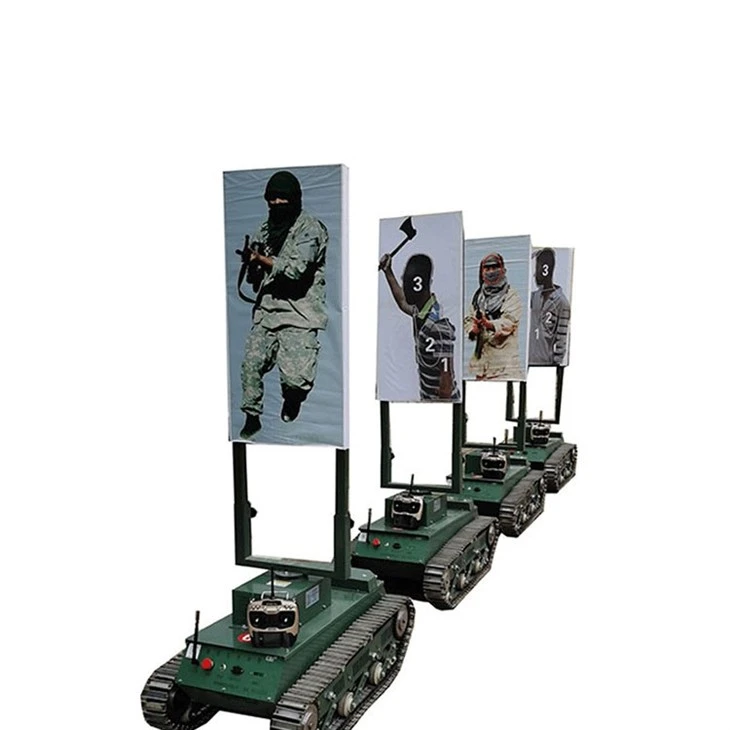
In addition to our server cluster solutions, there are other related products in the industry that you might find interesting. For example, if you are involved in live - fire shooting venues, you might be interested in Steel Plate Target, Turbulent Target Aircraft, and Tracked Motion Target. These products are designed to enhance the experience and safety of live - fire shooting activities.
Contact Us for Procurement
If you are interested in our solutions for independent server clusters, we encourage you to contact us for procurement and further discussions. Our team of experts is ready to assist you in implementing the best solution for your specific needs. Whether you are a small business or a large enterprise, we have the technology and expertise to help you achieve a reliable and efficient server cluster.

References
- Tanenbaum, A. S., & Steen, M. R. (2007). Distributed Systems: Principles and Paradigms. Prentice Hall.
- Lynch, N. A. (1996). Distributed Algorithms. Morgan Kaufmann.
- Coulouris, G., Dollimore, J., Kindberg, T., & Blair, G. (2011). Distributed Systems: Concepts and Design. Addison - Wesley.