

In the ever - evolving landscape of military training, the question of whether simulated training fields can be effectively used for military training has become a topic of intense debate. As a supplier of Simulated Training Fields, I have witnessed firsthand the transformative potential of these innovative solutions in modern military education.
The Advantages of Simulated Training Fields
Cost - Effectiveness
Traditional military training often involves significant costs associated with real - world exercises. These include expenses for fuel, ammunition, and the wear and tear of military equipment. In contrast, simulated training fields offer a more economical alternative. With a Simulated Training Field Simulated Training Field, the need for large amounts of physical resources is greatly reduced. Trainees can engage in various scenarios without the constant consumption of expensive supplies. For example, in a simulated combat situation, soldiers can practice shooting without using actual bullets. This not only saves money but also allows for more frequent and extensive training sessions within a limited budget.
Safety
Safety is a paramount concern in military training. Real - world training exercises carry inherent risks, such as accidental injuries from live ammunition, vehicle accidents, and environmental hazards. Simulated training fields provide a controlled and safe environment for trainees. They can make mistakes and learn from them without the fear of life - threatening consequences. For instance, in a simulated urban combat training, soldiers can practice entering buildings and clearing rooms without the risk of being exposed to real gunfire. The use of Simulated Rubber Equipment further enhances safety by providing realistic but non - lethal training props.

Realistic Scenario Replication
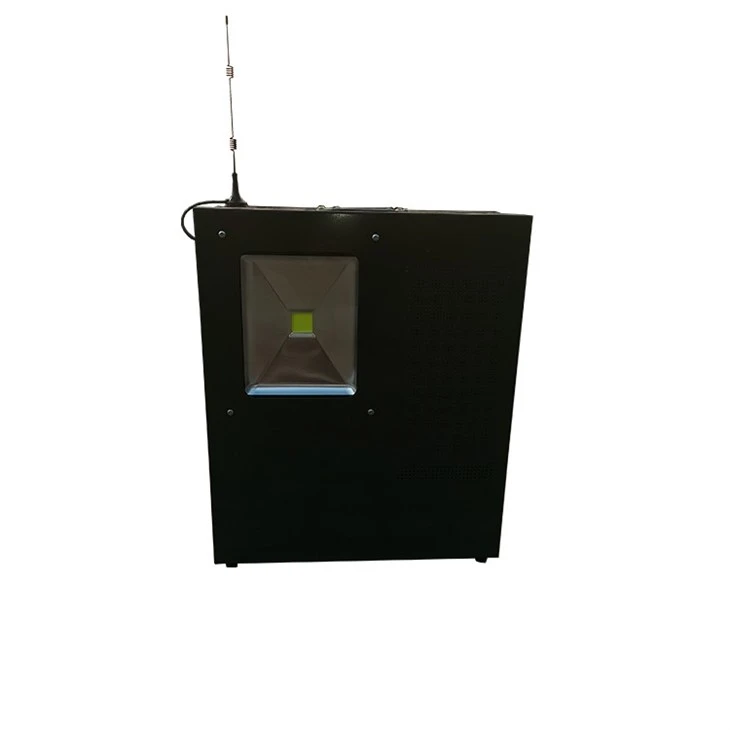
One of the most significant advantages of simulated training fields is their ability to replicate a wide range of realistic scenarios. The Battlefield Environment Simulation System can recreate different terrains, weather conditions, and enemy tactics. Trainees can experience scenarios that closely mimic real - world combat situations, including urban warfare, jungle operations, and desert battles. This level of realism helps soldiers develop the necessary skills and decision - making abilities in a variety of contexts. For example, a soldier can be exposed to a sandstorm in a simulated desert environment, which affects visibility and mobility, just as it would in a real - life situation.
Customization and Adaptability
Simulated training fields offer a high degree of customization. Military trainers can design and modify training scenarios according to specific training objectives and the skill levels of the trainees. Whether it is a basic training for new recruits or advanced tactical training for experienced soldiers, the training can be tailored to meet the needs of each group. Additionally, as military strategies and threats evolve, the simulated training fields can be easily updated to incorporate new elements. For example, if there is a new type of enemy weapon or tactic, the simulation can be adjusted to reflect these changes, ensuring that soldiers are always trained for the latest threats.
Challenges and Limitations
Psychological Impact
While simulated training fields can provide a high level of realism, they may not fully replicate the psychological stress of real combat. The fear, adrenaline rush, and sense of danger in a real - life battle are difficult to simulate. Some soldiers may find it challenging to transfer the skills and confidence they gain in a simulated environment to actual combat situations. However, continuous research and development are being carried out to enhance the psychological aspects of simulation, such as using virtual reality and augmented reality technologies to create a more immersive experience.
Technological Dependence
Simulated training fields rely heavily on advanced technologies. Any technical glitches or malfunctions can disrupt the training process. Moreover, the rapid pace of technological change means that the equipment and software used in the simulation may become obsolete quickly. To address these issues, suppliers need to invest in regular maintenance and upgrades to ensure the reliability and effectiveness of the simulated training fields.
Lack of Physical Interaction
In some aspects, simulated training fields may lack the physical interaction that is present in real - world training. For example, the feel of handling real weapons and the physical exertion required in a real - life combat situation may not be fully replicated. However, efforts are being made to incorporate more physical elements into the simulation, such as using haptic feedback devices to provide a more realistic sense of touch and movement.
Case Studies
Many military organizations around the world have already recognized the benefits of simulated training fields and have integrated them into their training programs. For example, the United States Army has been using advanced simulation technologies in its training centers. These simulations have helped soldiers improve their combat skills, reduce training costs, and enhance safety. In one case, a unit that underwent extensive simulated training showed a significant improvement in their performance during real - world exercises compared to previous years.
The Future of Simulated Training Fields in Military Training
The future of simulated training fields in military training looks promising. With the continuous advancement of technologies such as artificial intelligence, virtual reality, and augmented reality, the realism and effectiveness of these training fields will only increase. These technologies will enable even more immersive and interactive training experiences, further bridging the gap between simulated and real - world combat.
In addition, the integration of simulated training fields with real - world training exercises is likely to become more common. This hybrid approach will allow soldiers to benefit from the advantages of both simulated and real - world training, maximizing the overall training effectiveness.
Conclusion
In conclusion, simulated training fields have great potential for use in military training. Despite some challenges and limitations, their cost - effectiveness, safety, realistic scenario replication, and customization capabilities make them a valuable tool for modern military education. As a supplier of Simulated Training Fields, I am committed to providing high - quality, innovative solutions that meet the evolving needs of the military.
If you are interested in learning more about our Simulated Training Fields or would like to discuss a potential procurement, please feel free to reach out. We are eager to engage in a detailed discussion about how our products can enhance your military training programs.
References
- Smith, J. (2018). The Role of Simulation in Modern Military Training. Journal of Military Education, 25(3), 45 - 52.
- Johnson, R. (2019). Advantages and Challenges of Simulated Training in the Military. International Journal of Military Studies, 12(2), 67 - 75.
- Brown, A. (2020). Future Trends in Military Simulation Technology. Military Technology Review, 30(4), 89 - 96.


