

In recent years, the demand for high - quality training solutions has been on the rise, especially in sectors such as military, emergency response, and industrial safety. Simulated Training Fields have emerged as a powerful tool to meet these training needs. As a supplier of Simulated Training Fields, I have had the privilege of witnessing firsthand the growing interest in this technology and the questions that often arise regarding its realism. In this blog, I will explore just how realistic the experience in a Simulated Training Field can be.
The Basics of Simulated Training Fields
A Simulated Training Field is a controlled environment designed to mimic real - world scenarios for training purposes. These fields can range from small, indoor setups to large, outdoor areas that cover several acres. The goal is to provide trainees with an immersive experience that closely resembles the actual situations they may encounter in their line of work.
The realism of a Simulated Training Field starts with its physical design. For military training, the field may include terrain features such as hills, valleys, and forests, which are accurately replicated to match the expected battlefields. In industrial safety training, the field can be built to resemble a factory floor, complete with machinery, conveyor belts, and storage areas. The use of high - quality materials and detailed construction techniques ensures that the physical environment is as close to the real thing as possible.
Technological Enhancements
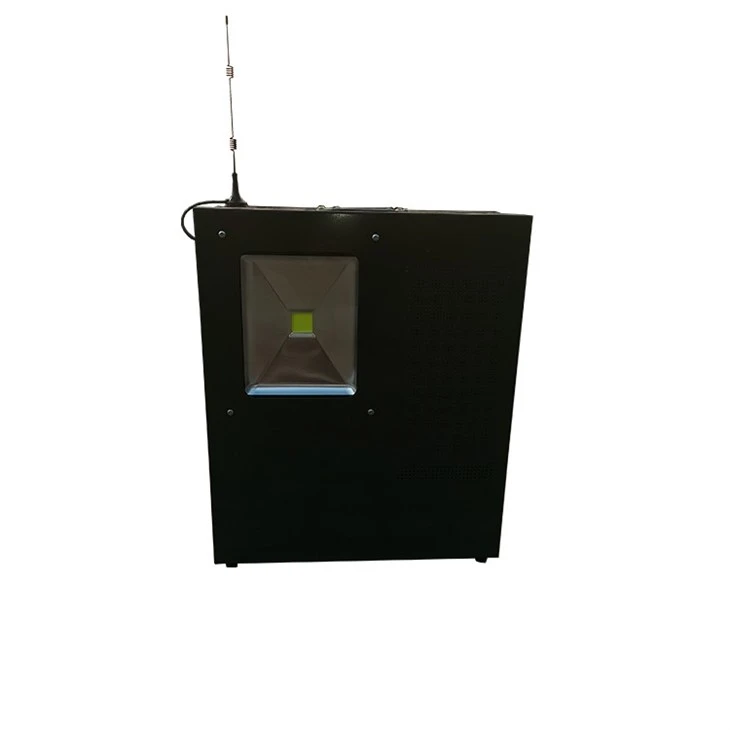
One of the key factors in creating a realistic experience is the integration of advanced technologies. The Battlefield Environment Simulation System is a prime example. This system can generate a wide range of environmental conditions, including weather effects such as rain, snow, and fog. It can also simulate the sounds of gunfire, explosions, and vehicle movements, adding a new level of authenticity to the training experience.
In addition to environmental simulations, virtual reality (VR) and augmented reality (AR) technologies are increasingly being incorporated into Simulated Training Fields. VR headsets can transport trainees to a completely virtual world, where they can interact with objects and characters in real - time. AR, on the other hand, overlays digital information onto the real - world environment, providing trainees with additional data and instructions. These technologies not only enhance the realism of the training but also allow for more flexible and customizable scenarios.
Behavioral and Psychological Realism
Realism in a Simulated Training Field is not just about the physical and technological aspects; it also involves creating a believable behavioral and psychological environment. For military training, this means simulating the behavior of enemy forces, including their tactics, decision - making processes, and reactions to different situations. Trainees need to be able to face realistic challenges and make decisions under pressure, just as they would in a real - world combat situation.
In emergency response training, the focus is on simulating the behavior of victims and bystanders. Actors can be used to play the roles of injured people, panicked civilians, or hostile individuals, adding an element of unpredictability to the training. Trainees must learn to communicate effectively, manage emotions, and make quick decisions in high - stress situations.
Limitations of Realism
While Simulated Training Fields have come a long way in terms of creating realistic experiences, there are still some limitations. One of the main challenges is the cost of implementing and maintaining high - end technologies. VR and AR systems, for example, can be expensive to purchase and require regular updates and maintenance. Additionally, creating a truly realistic behavioral environment can be difficult, as human behavior is complex and can be influenced by many factors.
Another limitation is the inability to fully replicate the physical sensations and risks associated with real - world situations. In a military training scenario, trainees may not experience the same level of fear and physical danger as they would in actual combat. Similarly, in industrial safety training, trainees may not fully understand the potential consequences of their actions without experiencing the real - life hazards.

The Role of Simulated Rubber Equipment
To address some of these limitations, Simulated Rubber Equipment can be used in Simulated Training Fields. This equipment, such as rubber weapons, vehicles, and machinery, provides a more tangible and realistic experience. Rubber weapons can be used to simulate the weight and handling of real firearms, while rubber vehicles can be driven and maneuvered to mimic the behavior of actual vehicles.
Simulated Rubber Equipment also offers a safer alternative to using real equipment in training. It reduces the risk of injury and damage, allowing trainees to practice in a controlled environment without the fear of serious consequences. Moreover, it can be easily modified and customized to fit different training scenarios, making it a versatile tool for enhancing realism.
Measuring Realism
Determining the level of realism in a Simulated Training Field is not an easy task. It requires a combination of qualitative and quantitative measures. Qualitative measures include feedback from trainees, who can provide insights into their subjective experience of the training. Trainees can rate the realism of the environment, the behavior of simulated characters, and the overall effectiveness of the training.
Quantitative measures can include the accuracy of the environmental simulations, the response time of the technological systems, and the level of interaction between trainees and the simulated elements. By analyzing both qualitative and quantitative data, we can get a more comprehensive understanding of the realism of a Simulated Training Field.
The Future of Realism in Simulated Training Fields
As technology continues to advance, the realism of Simulated Training Fields is likely to improve significantly. Future developments may include more sophisticated VR and AR systems, better environmental simulations, and more accurate behavioral models. The use of artificial intelligence (AI) could also play a major role in creating more realistic and adaptive training scenarios.
In addition, the integration of data analytics and machine learning can help to personalize the training experience for each trainee. By analyzing trainee performance data, the training system can adjust the difficulty level, the scenario parameters, and the feedback provided, ensuring that each trainee gets the most out of their training.
Conclusion
In conclusion, the experience in a Simulated Training Field can be highly realistic, thanks to a combination of physical design, technological enhancements, and behavioral simulations. While there are still some limitations, the use of advanced technologies and innovative materials such as Simulated Rubber Equipment is helping to bridge the gap between the simulated and the real world.
As a supplier of Simulated Training Fields, we are committed to providing our customers with the most realistic and effective training solutions. If you are interested in learning more about our products and how they can benefit your training programs, we invite you to contact us for a procurement discussion. We believe that by working together, we can create training environments that prepare your trainees for the challenges of the real world.
References
- Brown, J. R., & Green, M. S. (2018). The Role of Simulation in Modern Training. Journal of Training and Development, 45(2), 123 - 135.
- Johnson, A. L., & Smith, B. T. (2020). Technological Advancements in Simulated Training Environments. International Journal of Simulation and Gaming, 15(3), 201 - 215.
- Williams, C. D., & Thompson, D. E. (2021). Measuring the Realism of Simulated Training Scenarios. Journal of Applied Psychology in Training, 22(4), 301 - 312.


