

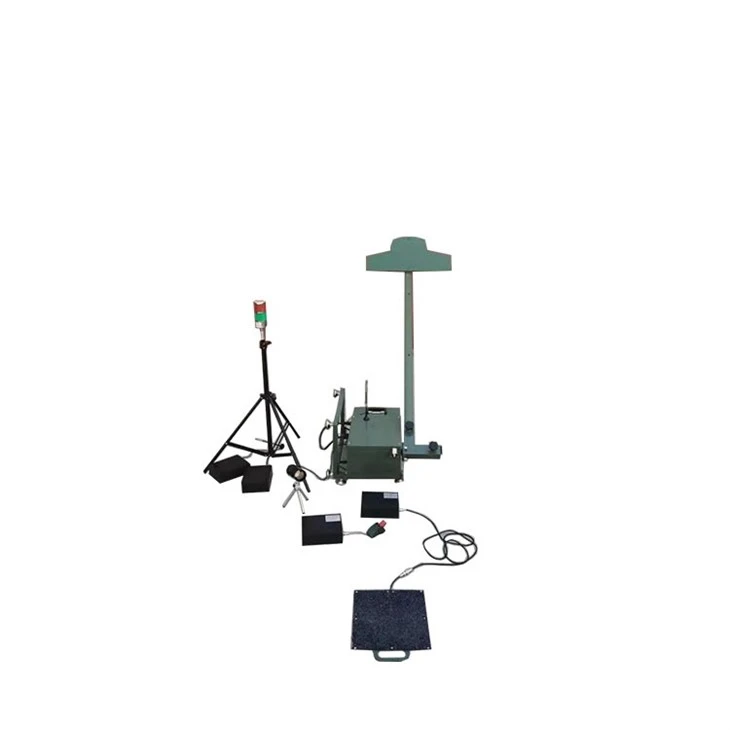
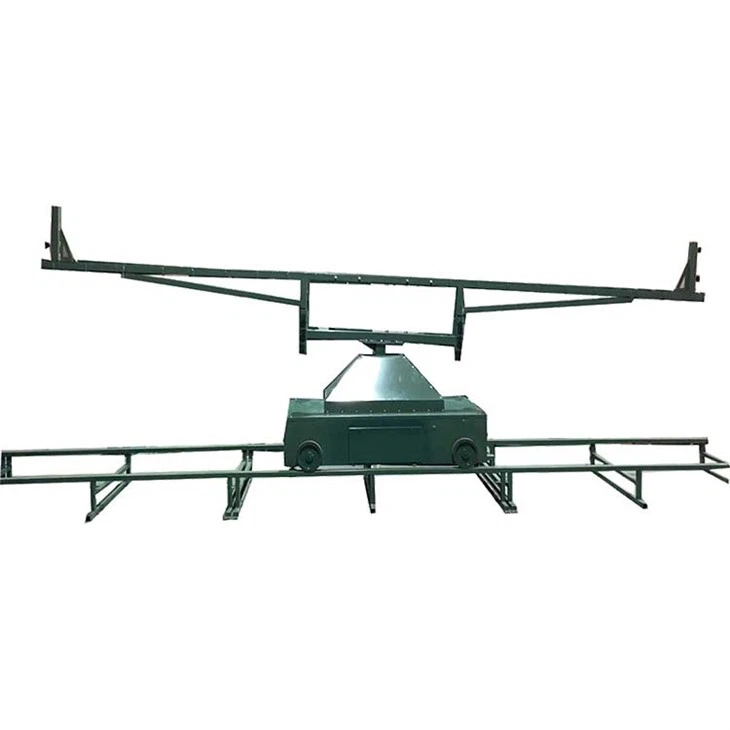
As a supplier specializing in 90-degree up and down movement products, I understand the crucial role that precision plays in various applications. Whether it's for industrial machinery, shooting range equipment like Turbulent Target Aircraft, Portable Lifting Target Machine, or Multifunctional Tactical Starting and Falling Target, achieving high precision in 90-degree up and down movement is essential for optimal performance. In this blog post, I will share some effective strategies and techniques to improve the precision of such movements.
Understanding the Basics of 90-Degree Up and Down Movement
Before delving into the methods of improving precision, it's important to have a clear understanding of the basic components and mechanisms involved in 90-degree up and down movement. This type of movement typically relies on a combination of mechanical, electrical, and control systems.
Mechanical components such as gears, linkages, and actuators are responsible for translating the input force into the desired vertical motion. Electrical systems, including motors and sensors, provide the power and feedback necessary to control the movement accurately. Control systems, such as programmable logic controllers (PLCs) or microcontrollers, are used to manage the operation of the mechanical and electrical components, ensuring that the movement is carried out precisely.
Factors Affecting Precision
Several factors can influence the precision of 90-degree up and down movement. Understanding these factors is crucial for identifying and addressing potential issues.
1. Mechanical Wear and Tear
Over time, mechanical components can experience wear and tear, which can lead to decreased precision. This can be caused by factors such as friction, corrosion, and fatigue. Regular maintenance and inspection of mechanical components are essential to detect and replace worn parts before they cause significant problems.
2. Electrical Noise and Interference
Electrical noise and interference can disrupt the signals sent between the control system and the electrical components, leading to inaccurate movement. Shielding electrical cables, using proper grounding techniques, and implementing noise filtering can help reduce the impact of electrical noise.
3. Control System Calibration
Inaccurate calibration of the control system can result in imprecise movement. The control system needs to be calibrated regularly to ensure that it is accurately interpreting the input signals and sending the appropriate commands to the mechanical and electrical components.
4. Load Variations
Changes in the load being moved can affect the precision of the movement. For example, if the load is unevenly distributed or if there are sudden changes in the weight of the load, the movement may not be as precise. Designing the system to handle load variations and implementing feedback control can help mitigate this issue.
Strategies to Improve Precision
Now that we have identified the factors that can affect precision, let's explore some strategies to improve the precision of 90-degree up and down movement.
1. High-Quality Components
Using high-quality mechanical, electrical, and control components is essential for achieving high precision. High-quality components are typically more durable, have better performance characteristics, and are less prone to wear and tear. When selecting components, consider factors such as the material quality, manufacturing tolerances, and reliability ratings.
2. Precision Manufacturing
Precision manufacturing techniques can help ensure that the mechanical components are fabricated to the required specifications. This includes using advanced machining processes, such as CNC machining, to achieve tight tolerances and smooth surfaces. Additionally, proper assembly techniques are crucial to ensure that the components are installed correctly and aligned accurately.
3. Feedback Control Systems
Implementing feedback control systems can significantly improve the precision of 90-degree up and down movement. Feedback control systems use sensors to measure the actual position of the moving component and compare it to the desired position. Based on this comparison, the control system can adjust the input signals to the mechanical and electrical components to correct any errors.
There are several types of feedback control systems, including proportional-integral-derivative (PID) controllers, which are widely used in industrial applications. PID controllers continuously calculate the error between the desired and actual positions and adjust the control output accordingly.
4. Regular Maintenance and Calibration
Regular maintenance and calibration are essential for maintaining the precision of 90-degree up and down movement. This includes lubricating mechanical components, inspecting electrical connections, and calibrating the control system. By following a regular maintenance schedule, potential issues can be detected and addressed before they cause significant problems.
5. Environmental Considerations
The operating environment can also have an impact on the precision of 90-degree up and down movement. Factors such as temperature, humidity, and dust can affect the performance of the mechanical and electrical components. Designing the system to be resistant to environmental factors and implementing appropriate protective measures, such as enclosures and filters, can help ensure reliable operation.
Application-Specific Considerations
In addition to the general strategies mentioned above, there are some application-specific considerations that need to be taken into account when improving the precision of 90-degree up and down movement.
1. Shooting Range Equipment
For shooting range equipment such as Turbulent Target Aircraft, Portable Lifting Target Machine, and Multifunctional Tactical Starting and Falling Target, precision is crucial for providing an accurate and challenging shooting experience. In this case, the movement needs to be fast, smooth, and repeatable.
To achieve high precision in shooting range equipment, it is important to use high-speed actuators and precise control systems. Additionally, the system should be designed to minimize vibration and noise, which can affect the shooter's accuracy.
2. Industrial Machinery
In industrial machinery applications, the precision of 90-degree up and down movement is often critical for ensuring the quality and efficiency of the manufacturing process. For example, in a pick-and-place machine, the movement needs to be precise to accurately position the components.
To improve the precision of industrial machinery, it is important to use high-precision mechanical components and advanced control systems. Additionally, the system should be designed to handle the specific requirements of the manufacturing process, such as the speed, load capacity, and cycle time.
Conclusion
Improving the precision of 90-degree up and down movement is a complex but achievable goal. By understanding the basic principles, identifying the factors that can affect precision, and implementing the appropriate strategies, it is possible to achieve high levels of accuracy and reliability.
As a supplier of 90-degree up and down movement products, we are committed to providing our customers with high-quality solutions that meet their specific needs. If you are interested in learning more about our products or discussing your requirements, please feel free to contact us for a procurement discussion. We look forward to working with you to improve the precision of your applications.
References
- Dorf, R. C., & Bishop, R. H. (2016). Modern Control Systems. Pearson.
- Ogata, K. (2010). Modern Control Engineering. Prentice Hall.
- Groover, M. P. (2015). Fundamentals of Modern Manufacturing: Materials, Processes, and Systems. Wiley.


