Hey there! As a supplier of steel plate chest targets, I often get asked about the corrosion resistance of these bad boys. So, I thought I'd take a few minutes to break it down for you.
First off, let's talk about why corrosion resistance is such a big deal. When you're using a steel plate chest target, you're probably out in the elements a lot. Whether it's rain, snow, or just general humidity, your target is going to be exposed to moisture. And as we all know, steel and moisture don't always play nice together. Corrosion can weaken the steel, cause it to rust, and ultimately reduce the lifespan of your target. So, having good corrosion resistance is essential if you want your target to last.
Now, let's dive into the factors that affect the corrosion resistance of a steel plate chest target. One of the most important factors is the type of steel used. There are several different types of steel, each with its own unique properties. For our targets, we typically use high-quality carbon steel or alloy steel. These types of steel are known for their strength and durability, and they also have good corrosion resistance.
Another factor that affects corrosion resistance is the surface treatment of the steel. There are several different surface treatments that can be applied to steel to improve its corrosion resistance. One of the most common treatments is galvanization. Galvanization involves coating the steel with a layer of zinc, which acts as a sacrificial anode. This means that the zinc will corrode before the steel does, protecting the steel from damage.
We also offer other surface treatments, such as powder coating. Powder coating involves applying a dry powder to the surface of the steel and then baking it in an oven. This creates a hard, durable finish that is resistant to corrosion, scratches, and chips.
In addition to the type of steel and surface treatment, the environment in which the target is used also plays a role in its corrosion resistance. If the target is used in a coastal area, for example, it will be exposed to saltwater, which is highly corrosive. In this case, it's important to choose a target with a high level of corrosion resistance and to take extra steps to protect it, such as applying a protective coating or storing it indoors when not in use.
So, how do you know if a steel plate chest target has good corrosion resistance? Well, one way is to look at the manufacturer's specifications. A reputable manufacturer will provide information about the type of steel used, the surface treatment applied, and the expected lifespan of the target. You can also look for reviews from other users to see how well the target has held up over time.
At our company, we take pride in offering high-quality steel plate chest targets with excellent corrosion resistance. Our targets are made from top-grade steel and are treated with the latest surface treatments to ensure maximum durability and protection. We also offer a variety of sizes and styles to meet the needs of different shooters.
If you're in the market for a steel plate chest target, I encourage you to check out our Steel Plate Target and Half Body Steel Plate Target options. We're confident that you'll be impressed with the quality and performance of our products.
And if you have any questions or need more information, don't hesitate to reach out to us. We're here to help you find the perfect target for your needs and to ensure that you have a great shooting experience.
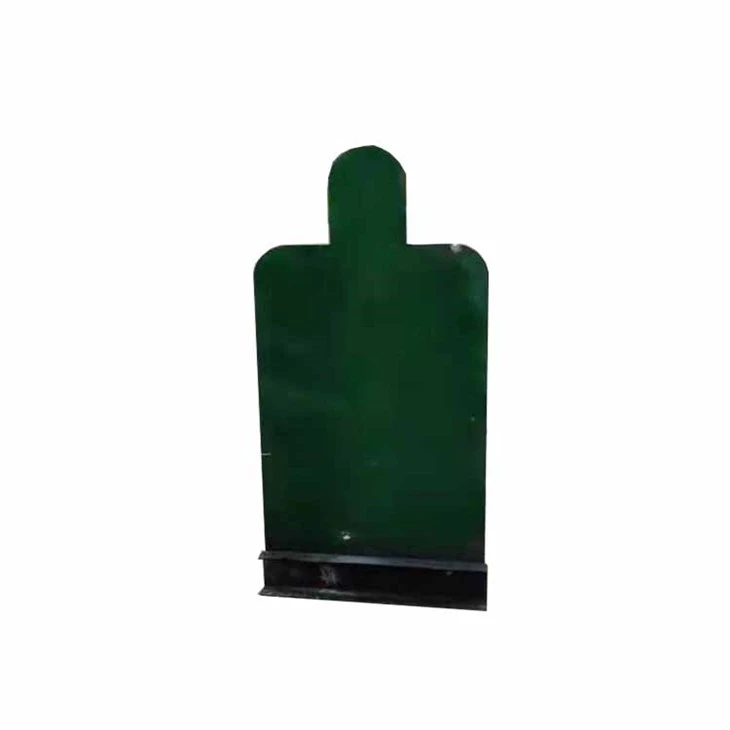

In conclusion, corrosion resistance is an important factor to consider when choosing a steel plate chest target. By choosing a target made from high-quality steel and treated with a durable surface treatment, you can ensure that your target will last for years to come. So, what are you waiting for? Check out our targets today and start shooting with confidence!
References:
- "Corrosion Resistance of Steel." Wikipedia. Wikimedia Foundation, n.d. Web.
- "Galvanization." Wikipedia. Wikimedia Foundation, n.d. Web.
- "Powder Coating." Wikipedia. Wikimedia Foundation, n.d. Web.