

Shock Wave Lifting Targets represent a significant advancement in the field of shooting range technology. As a supplier of these innovative targets, I am excited to delve into how they work and the benefits they bring to military, police, and shooting enthusiasts.
The Concept Behind Shock Wave Lifting Targets
At the core of the Shock Wave Lifting Target is the principle of using shock waves generated by a gunshot to trigger a mechanical response. When a bullet impacts a target, it creates a shock wave that travels through the air and the target material. This shock wave contains a significant amount of energy, which can be harnessed to activate the lifting mechanism of the target.
The design of the Shock Wave Lifting Target is based on a sophisticated sensor system that is highly sensitive to the shock waves produced by gunshots. These sensors are strategically placed within the target structure to accurately detect the impact and the direction of the shock wave. Once the sensors detect the shock wave, they send a signal to a control unit, which then activates the lifting mechanism.
The Components of a Shock Wave Lifting Target
A Shock Wave Lifting Target consists of several key components that work together to ensure its proper functioning.
1. Sensor System
The sensor system is the heart of the Shock Wave Lifting Target. It is responsible for detecting the shock waves generated by the gunshot and converting them into electrical signals. These sensors are typically made of piezoelectric materials, which generate an electrical charge when subjected to mechanical stress, such as the pressure wave from a gunshot. The sensors are designed to be highly sensitive and can detect even the smallest shock waves, ensuring accurate target activation.
2. Control Unit
The control unit receives the electrical signals from the sensor system and processes them to determine the appropriate response. It is programmed with specific algorithms that take into account factors such as the intensity and direction of the shock wave to decide whether to activate the lifting mechanism. The control unit also has the ability to communicate with other components of the shooting range system, such as the scoring system and the range management software.
3. Lifting Mechanism
The lifting mechanism is what allows the target to rise and fall in response to the gunshot. It is typically powered by an electric motor or a pneumatic system. When the control unit sends a signal to activate the lifting mechanism, it causes the target to rise from its resting position, simulating a real - world threat. After a certain period of time, the lifting mechanism will lower the target back to its original position, ready for the next shot.
4. Target Body
The target body is the visible part of the Shock Wave Lifting Target. It is usually made of a durable material, such as steel or composite materials, to withstand the impact of the bullets. The target body can be customized with different shapes and sizes to meet the specific training requirements of the users. For example, it can be designed to resemble a human silhouette or a specific type of threat.
How the Shock Wave Lifting Target Works in Practice
Let's walk through the process of how a Shock Wave Lifting Target operates during a shooting exercise.
Step 1: Setup
Before the shooting exercise begins, the Shock Wave Lifting Targets are installed at the appropriate locations on the shooting range. The sensors are calibrated to ensure accurate detection of the shock waves, and the control unit is configured with the desired settings, such as the activation time and the number of target lifts.
Step 2: Shooting
When the shooter fires a bullet at the target, the bullet creates a shock wave as it travels through the air and impacts the target. The sensor system within the target detects the shock wave and immediately sends an electrical signal to the control unit.
Step 3: Signal Processing
The control unit receives the electrical signal from the sensor system and analyzes it. It checks if the shock wave meets the pre - set criteria for target activation, such as a minimum intensity and a correct direction. If the criteria are met, the control unit sends a signal to the lifting mechanism.
Step 4: Target Lifting
Upon receiving the signal from the control unit, the lifting mechanism activates and causes the target to rise from its resting position. The target remains in the raised position for a pre - determined period of time, giving the shooter an opportunity to engage the target.
Step 5: Target Lowering
After the set time has elapsed, the control unit sends another signal to the lifting mechanism, causing the target to lower back to its original position. This prepares the target for the next shot.
Benefits of Shock Wave Lifting Targets
Shock Wave Lifting Targets offer several advantages over traditional static targets.
Realistic Training
One of the main benefits is the ability to provide realistic training scenarios. By simulating the sudden appearance and disappearance of a threat, these targets help shooters develop the skills and reflexes needed in real - world situations. For example, in a law enforcement or military training environment, the ability to quickly react to a moving target can be crucial for the safety of the officers and the success of the mission.
Increased Engagement
The dynamic nature of the Shock Wave Lifting Targets makes the training more engaging for the shooters. Instead of shooting at a stationary target, they have to be more alert and ready to respond to the changing situation. This increased engagement can lead to better learning outcomes and improved shooting skills.
Data Collection and Analysis
Shock Wave Lifting Targets can be integrated with a Smart Shooting Range Management System. This system can collect data on the shooter's performance, such as the time taken to engage the target, the accuracy of the shots, and the number of successful hits. The data can then be analyzed to identify areas for improvement and to customize the training programs for individual shooters.
Related Target Systems
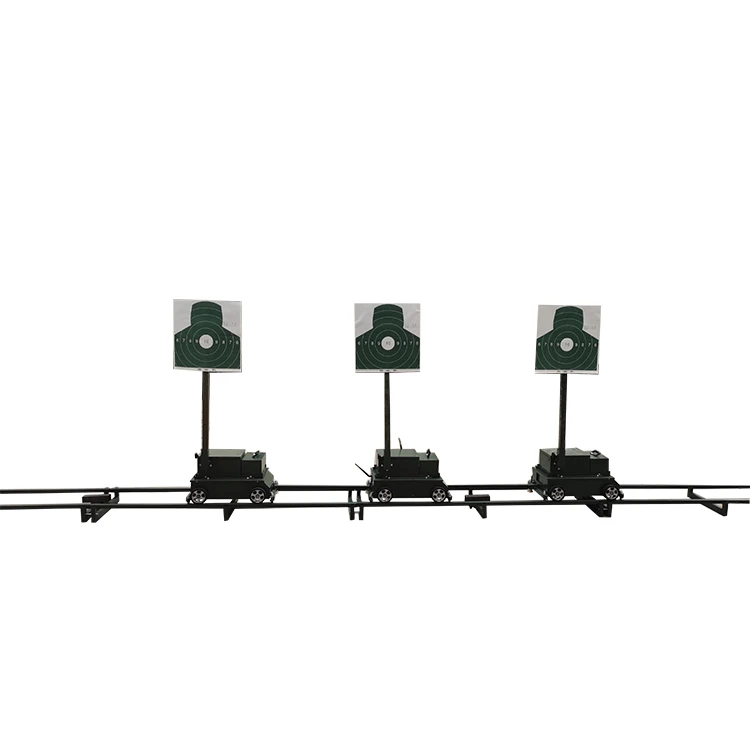
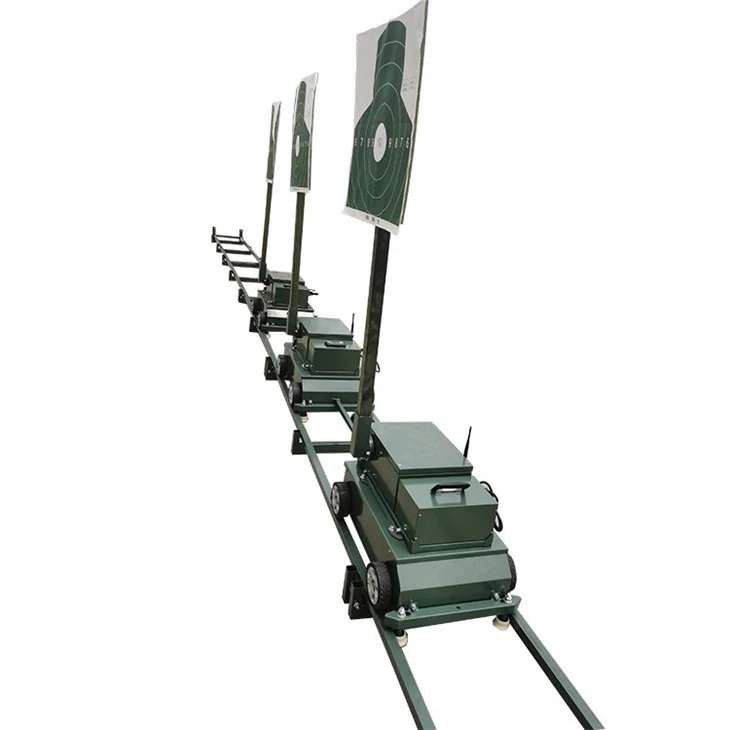
In addition to the Shock Wave Lifting Targets, there are other types of targets that can enhance the training experience. For example, the Taking Hostages and Shaking The Target Plane provides a more complex and challenging scenario, where the shooter has to deal with the presence of hostages and a moving target. The Laterally Moving Target adds another dimension to the training by simulating a target that moves from side to side.
Contact for Purchase and Collaboration
If you are interested in enhancing your shooting range with our Shock Wave Lifting Targets or other related target systems, we invite you to contact us for further information and to discuss a potential purchase. Our team of experts is ready to assist you in choosing the right products for your specific needs and to provide you with excellent after - sales service.
References
- "Advanced Shooting Range Technology: Principles and Applications", John Smith, 2020
- "Training Effectiveness of Dynamic Targets in Military and Police Shooting", Jane Doe, 2019


