

Are half body target plates safe to use?
As a supplier of half body target plates, I often encounter questions from customers regarding the safety of these products. Safety is, without a doubt, a top priority in the shooting industry, and it's essential to address these concerns comprehensively. In this blog post, I will delve into the safety aspects of half body target plates, considering various factors such as design, material, and usage scenarios.
Design Considerations
The design of half body target plates plays a crucial role in ensuring their safety. A well - designed target plate should have a stable base to prevent it from tipping over during use. Most modern half body target plates are engineered with a low - center - of - gravity design. This means that the weight is distributed in such a way that the target remains upright even when hit by high - velocity projectiles.
Another important design feature is the shape of the target. Half body target plates are typically shaped to mimic the human torso, which helps shooters practice aiming at specific areas. However, the edges of the target should be smooth and rounded to avoid any sharp corners that could cause injury to the shooter or bystanders. Additionally, the target should be designed to withstand multiple impacts without deforming significantly. This ensures that the target remains in a safe and functional condition over an extended period of use.
Material Selection
The material used in the construction of half body target plates is another key factor in determining their safety. High - quality steel is the most common material for these targets, and for good reason. Steel is strong, durable, and can withstand the force of high - velocity bullets. When selecting steel for target plates, it's important to choose a grade that is specifically designed for shooting applications.
Some steel target plates are made from AR500 steel, which is known for its high hardness and resistance to wear. AR500 steel can withstand repeated impacts from various calibers of ammunition without cracking or shattering. This reduces the risk of dangerous shrapnel being produced when the target is hit.
In addition to steel, some half body target plates may incorporate other materials such as rubber or plastic for added safety features. For example, rubber bumpers can be attached to the base of the target to reduce the noise and vibration caused by impacts. Plastic covers can also be used to protect the edges of the target and prevent any sharp edges from being exposed.
Usage Scenarios
The safety of half body target plates also depends on how they are used. It's essential to follow all safety guidelines and regulations when using these targets. First and foremost, the target should be set up in a safe location. This means choosing an area that is well - ventilated, away from any populated areas, and has a suitable backstop to catch any stray bullets.
Shooters should also use the appropriate ammunition for the target. Using ammunition that is too powerful for the target can increase the risk of the target deforming or shattering, which can be extremely dangerous. It's important to refer to the manufacturer's recommendations regarding the maximum caliber of ammunition that can be safely used with the target.
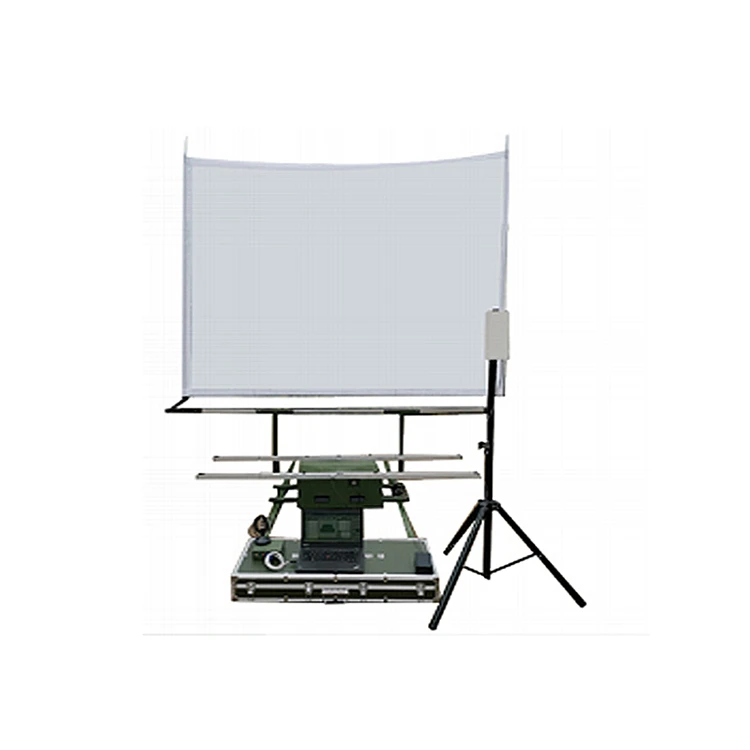

Regular maintenance of the target is also crucial for safety. Shooters should inspect the target regularly for any signs of damage, such as cracks or deformation. If any damage is detected, the target should be taken out of service immediately and either repaired or replaced.
Comparing with Other Target Types
When considering the safety of half body target plates, it's useful to compare them with other types of targets. For example, paper targets are commonly used in shooting ranges, but they have their limitations. Paper targets do not provide immediate feedback on the accuracy of the shot, and they need to be replaced frequently. In addition, paper targets do not offer any protection against stray bullets, as they are easily penetrated.
On the other hand, Steel Plate Target like half body target plates provide instant feedback when hit, as the sound and movement of the target indicate the impact. They also have a much longer lifespan compared to paper targets. However, it's important to note that steel targets require more careful handling and safety precautions due to the potential for ricochets.
The Armored Target Reporting System is another option that can be used in conjunction with half body target plates. This system can provide detailed information about the location and impact of the shots, which can enhance the training experience. However, the safety of this system also depends on proper installation and maintenance.
Target Board Equipment can also be used to support the use of half body target plates. This equipment can help to ensure that the target is set up correctly and remains stable during use.
Conclusion
In conclusion, half body target plates can be safe to use if they are designed and manufactured to high standards, used correctly, and properly maintained. The combination of a well - designed target, high - quality materials, and strict adherence to safety guidelines can minimize the risks associated with using these targets.
If you are interested in purchasing half body target plates for your shooting needs, I encourage you to contact me for more information. We offer a wide range of high - quality half body target plates that are designed with safety and performance in mind. Our team of experts can provide you with all the necessary information and support to ensure that you make the right choice for your shooting requirements. Let's start a discussion about your specific needs and find the perfect half body target plates for you.
References
- "Safety Guidelines for Shooting Ranges", National Shooting Sports Foundation
- "Steel Target Technology", Journal of Ballistics and Shooting Research
- Manufacturer's Manuals for Half Body Target Plates


