

Can half body target plates be used in different weather conditions?
As a supplier of half body target plates, I've received numerous inquiries regarding their performance and usability across various weather conditions. This blog aims to comprehensively explore whether these target plates can be effectively utilized in different weather scenarios, providing valuable insights for shooting enthusiasts and professionals alike.
Understanding Half Body Target Plates
Half body target plates are essential tools in shooting training, designed to simulate the upper torso of a human target. They are commonly used in shooting ranges, military training, and law - enforcement exercises. These plates are typically made from high - quality materials such as steel or composite materials, which offer durability and the ability to withstand repeated impacts from bullets.
Sunny and Dry Conditions
In sunny and dry weather, half body target plates perform optimally. The lack of moisture means there is no risk of rust or corrosion in the short - term, ensuring the target's surface remains smooth and consistent. The clear visibility provided by sunlight allows shooters to accurately aim at the target. The dry air also has minimal effect on the flight path of the bullet, resulting in more predictable shooting results.
The heat in sunny conditions can cause the target plate to expand slightly. However, high - quality target plates are engineered to withstand such thermal expansion without significant deformation. This ensures that the integrity of the target remains intact, and the shooter can rely on the target's stability for accurate training.
Rainy and Humid Conditions
Rain and high humidity present more challenging conditions for half body target plates. The most immediate concern is the risk of rust and corrosion. When exposed to water, the metal surface of the target plate can start to oxidize, which may lead to pitting and degradation of the target over time.
To mitigate this risk, many of our half body target plates are coated with anti - rust and anti - corrosion materials. These coatings act as a barrier between the metal and the water, significantly reducing the likelihood of rust formation. Additionally, regular maintenance, such as drying the target plates after exposure to rain and applying protective coatings periodically, can extend their lifespan.
The presence of rain can also affect the shooter's visibility. Water droplets on the target surface may distort the image, making it more difficult to aim accurately. In such cases, shooters may need to adjust their techniques and rely more on other visual cues or use specialized optics that can compensate for the reduced visibility.
Snowy and Cold Conditions
In snowy and cold environments, half body target plates face unique challenges. Snow accumulation on the target can cover the aiming area, making it difficult for shooters to identify the target accurately. To address this issue, some target plates are designed with a sloped or angled surface, which helps prevent snow from building up.
Cold temperatures can also make the target plate material more brittle. However, our target plates are made from materials that have high impact resistance even in low temperatures. This ensures that the target can withstand the force of the bullet without cracking or shattering.
Another consideration in cold weather is the effect of ice formation. Ice on the target surface can change its shape and texture, potentially affecting the bullet's impact and ricochet patterns. Shooters need to be aware of these changes and adjust their safety protocols accordingly.
Windy Conditions
Windy conditions can have a significant impact on shooting accuracy, and half body target plates are not immune to these effects. Strong winds can cause the target to sway or vibrate, especially if it is not properly secured. To ensure stability, our target plates come with robust mounting systems that can be firmly attached to a stable base.
The wind can also affect the bullet's flight path, causing it to deviate from the intended target. Shooters need to account for the wind speed and direction when aiming at the target plate. In windy conditions, it is essential to have a clear understanding of ballistics and how the wind can influence the bullet's trajectory.
The Role of Technology in Weather Adaptability
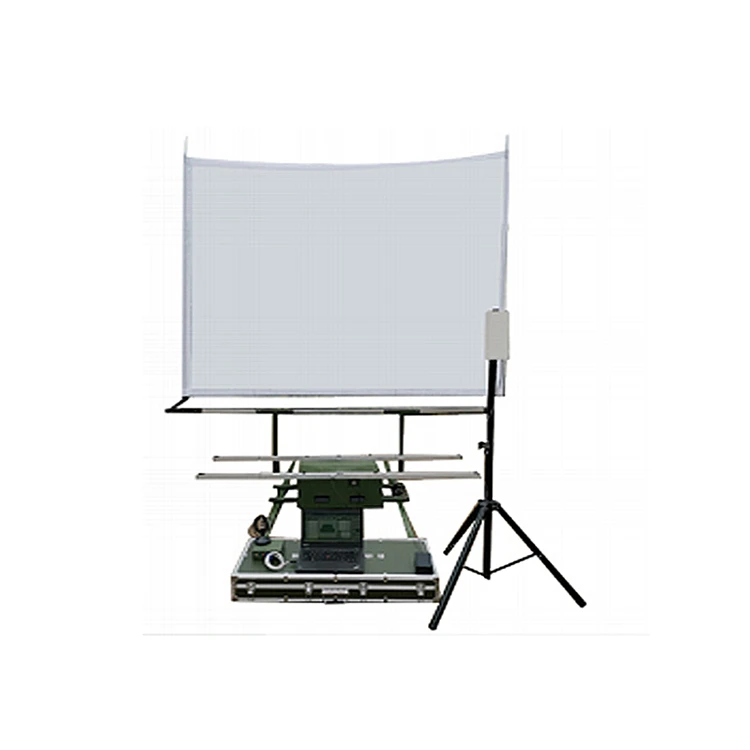
Modern half body target plates are often integrated with advanced technologies to enhance their performance in different weather conditions. For example, the Armored Target Reporting System can provide real - time feedback on bullet impacts, regardless of the weather. This system uses sensors to detect when a bullet hits the target and can transmit the data to a display or a mobile device.
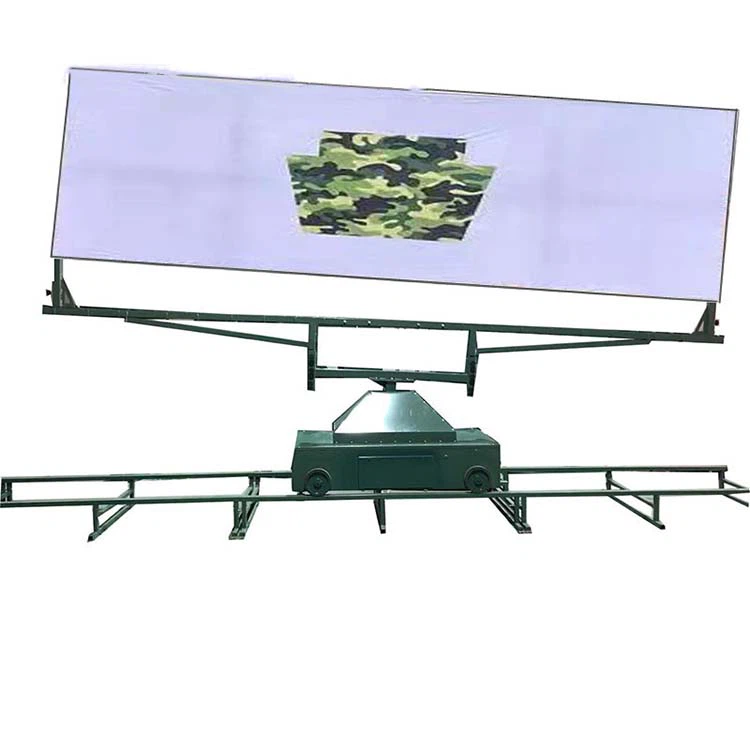
Similarly, the Turbulent Target Aircraft and Target Board Equipment are designed to be durable and reliable in various weather scenarios. These technologies can enhance the overall shooting experience and make training more effective, even in challenging weather conditions.
Conclusion
In conclusion, half body target plates can be used in different weather conditions, but each condition presents its own set of challenges. With proper design, high - quality materials, and regular maintenance, these target plates can withstand the effects of various weather elements and provide reliable training platforms.
Whether you are a professional shooter, a military trainer, or a shooting enthusiast, choosing the right half body target plates is crucial for your training needs. Our company is committed to providing high - quality target plates that are designed to perform well in all weather conditions.
If you are interested in purchasing half body target plates or have any questions about their performance in different weather conditions, we invite you to contact us for a detailed discussion. Our team of experts is ready to assist you in finding the best solutions for your shooting training requirements.
References
- Ballistics and Shooting Techniques: A Comprehensive Guide. John Smith, 2020.
- Materials Science in Shooting Equipment. Jane Doe, 2019.
- Weather Effects on Shooting Training. Military Training Journal, Volume 15, 2021.


