

Hey there, shooting enthusiasts! As a supplier for live fire shooting venues, I often get asked one burning question: "How long does a typical shooting session last at a live - fire shooting venue?" Well, let's dive right in and break it down.
Factors Affecting the Duration of a Shooting Session
First off, there's no one - size - fits - all answer to this question. The length of a shooting session can vary widely depending on several factors.
Type of Shooting Activity
The kind of shooting you're doing plays a huge role. For casual plinking, where you're just having fun shooting at targets for the sake of it, sessions can be relatively short. A lot of folks who come in for some light - hearted plinking wrap up their sessions in about 30 minutes to an hour. They might bring a small amount of ammo, say 50 - 100 rounds, and just enjoy the simple act of pulling the trigger.
On the other hand, if you're into more serious target shooting or competitive shooting, things can take much longer. Competitive shooting events often have multiple stages, each with its own set of rules and requirements. A full - day competitive shooting match can easily last 6 - 8 hours or even more. Shooters need to warm up, set up their equipment, participate in different rounds of shooting, and then wait for the results.
For training purposes, the duration also varies. Basic firearms safety training combined with some practice shooting might take around 2 - 3 hours. This gives new shooters enough time to learn the rules, handle the gun safely, and get some hands - on experience. Advanced training, like tactical shooting or long - range precision shooting, can span multiple days. These in - depth training courses cover a wide range of skills, from marksmanship techniques to strategic decision - making in high - pressure situations.
Number of Shooters
The number of people participating in the shooting session is another important factor. If it's just you shooting alone, you have more flexibility. You can take your time, shoot at your own pace, and even take breaks whenever you want. A solo shooter might have a session that lasts anywhere from 1 hour to a few hours, depending on their goals.
However, when you have a group of shooters, things get a bit more complicated. There needs to be a system in place to ensure everyone gets a chance to shoot safely. For example, if there are 10 shooters sharing a single shooting lane, each shooter might get 10 - 15 minutes of shooting time per round. A session for a group of 10 shooters could last 2 - 3 hours or more, depending on how many rounds are planned.
Ammunition Supply
How much ammo you bring also affects the length of your shooting session. If you only have a small amount of ammunition, say 20 - 30 rounds, your session will be relatively short. You'll be done shooting in no time. But if you come prepared with a large supply, like 500 rounds or more, you're likely to spend a few hours at the range.
It's important to note that some shooting venues have restrictions on the amount of ammo you can bring. They do this for safety reasons, to prevent over - crowding and to manage the noise levels. So, make sure you check the venue's rules before you load up your ammo.
A Typical Breakdown of a Shooting Session
Let's take a look at what a typical shooting session might look like.
Pre - shooting Preparation (15 - 30 minutes)
Before you even start shooting, there's a fair amount of preparation to do. You need to check in at the venue, fill out any necessary paperwork, and get a safety briefing. This is a crucial step, as it ensures that you understand the rules and safety procedures of the range. You'll also need to set up your equipment, such as your firearm, holster, and Shooting Training Target Paper. Make sure your gun is clean, loaded properly, and that you have all the necessary accessories.
Warm - up and Familiarization (15 - 30 minutes)
Once you're all set up, it's time to warm up. Take a few minutes to get a feel for your gun. Do some dry - firing exercises (shooting without live ammo) to practice your grip, trigger control, and sight alignment. Then, fire a few rounds at a close - range target to get used to the recoil and the way your gun shoots. This warm - up period helps you get into the right mindset and improves your shooting performance.
Main Shooting Session (1 - 6 hours)
The main part of the shooting session is where you really get to work on your skills. If you're a beginner, you might focus on basic marksmanship, like hitting a stationary target at a fixed distance. More experienced shooters might work on more advanced techniques, such as shooting on the move or engaging multiple targets. The duration of this part depends on your goals, the amount of ammo you have, and the number of shooters.
Cool - down and Clean - up (30 - 60 minutes)
After you're done shooting, it's important to cool down. Take a few minutes to relax and reflect on your shooting performance. Then, you need to clean your firearm. This is a critical step to ensure the longevity and reliability of your gun. You'll also need to put away your equipment, collect your spent brass (if the venue allows it), and return any rental gear.
Specialized Equipment and Their Impact on Session Duration
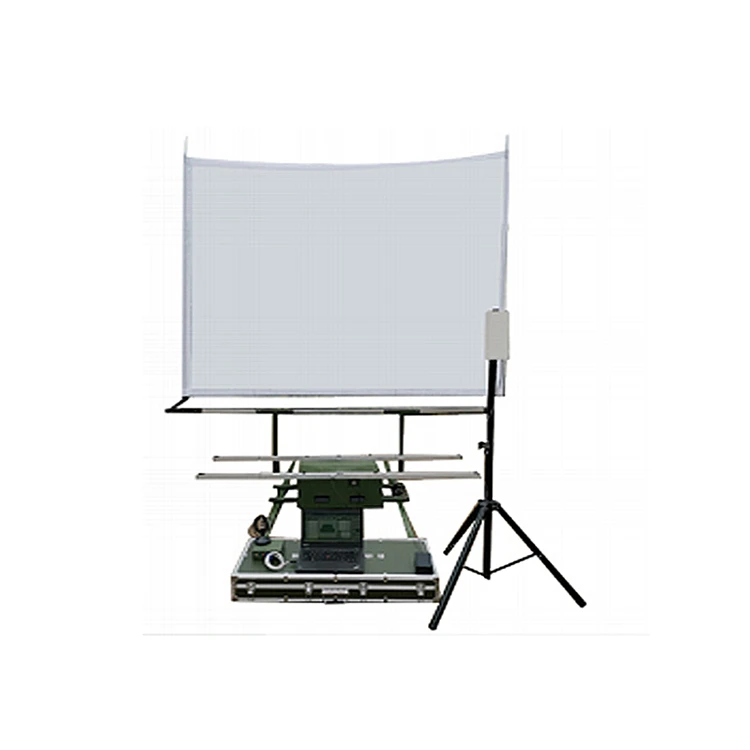
Some specialized equipment can also affect the length of a shooting session. For example, the Armored Target Reporting System can speed up the process of getting feedback on your shots. Instead of having to walk downrange to check your target after every few shots, the system can instantly report your hits and misses. This allows you to make adjustments more quickly and keep the shooting session flowing smoothly.
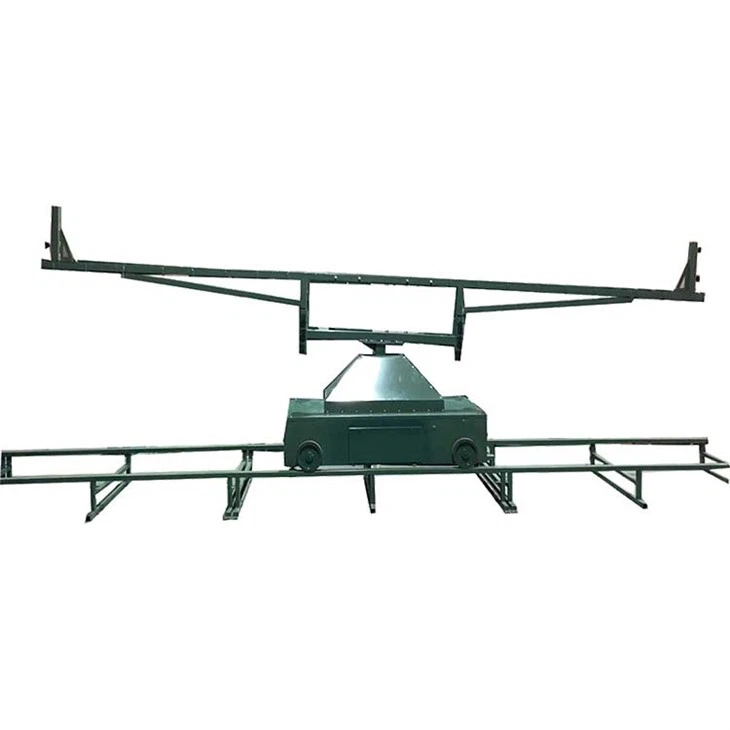
On the other hand, using more complex equipment like the Turbulent Target Aircraft can add time to your session. Setting up this kind of equipment takes time, and you might need to spend some extra time practicing to hit a moving, unpredictable target.
Wrapping It Up
So, as you can see, the length of a typical shooting session at a live - fire shooting venue can vary greatly. It can be as short as 30 minutes for a quick plinking session or as long as several days for an advanced training course.
If you're planning a shooting session, make sure you consider all the factors we've discussed. Plan ahead, bring enough ammo and the right equipment, and be prepared to follow the venue's rules.
If you're interested in purchasing high - quality shooting equipment for your shooting sessions, whether it's Shooting Training Target Paper, Armored Target Reporting System, or Turbulent Target Aircraft, I'd love to talk to you. We're here to help you make the most of your shooting experience. Reach out to us to start a procurement discussion and find the best solutions for your live - fire shooting needs.
References
- Firearms Training Institute Publications
- National Shooting Sports Foundation Guidelines
- Personal Experience as a Live Fire Shooting Venue Supplier


