

Developing tracked motion targets is no walk in the park. As a supplier in this field, I've seen firsthand the various challenges that come with creating these sophisticated systems. In this blog, I'll break down some of the key hurdles we face and how we're working to overcome them.
Technical Complexity
One of the most significant challenges in developing tracked motion targets is the technical complexity involved. These targets need to replicate real - world motion patterns accurately, whether it's the erratic flight of a Turbulent Target Aircraft or the unpredictable movement of a ground - based target.
To achieve this, we rely on advanced sensors and tracking algorithms. But getting these components to work in harmony is a tough nut to crack. For example, the sensors need to be highly accurate to detect even the slightest movements of the target. Any small error in sensor data can throw off the entire tracking system. And the algorithms have to be able to process this data in real - time, which requires a lot of computing power.
Another aspect of technical complexity is the integration of different technologies. We often need to combine mechanical, electrical, and software systems. Making sure that these different parts communicate effectively and work together smoothly is a constant battle. For instance, the mechanical parts need to be able to move the target precisely as directed by the software, and the electrical systems need to provide stable power to all components.
Cost Constraints
Cost is always a major factor in any development project, and developing tracked motion targets is no exception. The high - tech components used in these targets, such as high - precision sensors and powerful processors, can be extremely expensive. Additionally, the research and development costs associated with creating new and improved tracking algorithms are also substantial.
As a supplier, we're constantly trying to find ways to balance cost and performance. We look for more cost - effective alternatives to expensive components without sacrificing too much on quality. Sometimes, this means working with new suppliers or using emerging technologies that offer a better cost - to - performance ratio.
However, cutting costs too much can lead to other problems. For example, using cheaper sensors might result in less accurate tracking, which can make the target less useful for training purposes. So, finding that sweet spot between cost and performance is an ongoing challenge.
Environmental Factors
Tracked motion targets are often used in a variety of environmental conditions, and these conditions can have a significant impact on their performance. Outdoor environments, in particular, present a host of challenges.
Weather conditions such as rain, snow, and extreme temperatures can affect the functionality of the target's components. Moisture can cause electrical short - circuits, and extreme cold or heat can make mechanical parts expand or contract, leading to misalignments. Dust and dirt can also clog sensors and mechanical joints, reducing the target's accuracy and reliability.
In addition to weather, the terrain where the target is used can also be a challenge. Uneven ground can make it difficult for ground - based targets to move smoothly, and obstacles in the environment can interfere with the target's movement and the tracking system's ability to function properly.
To address these environmental challenges, we need to design our targets to be rugged and weather - resistant. This might involve using sealed enclosures for electrical components, choosing materials that can withstand harsh conditions, and developing algorithms that can adapt to different environmental factors.
User Requirements and Customization
Our customers have diverse requirements when it comes to tracked motion targets. Some might need targets for military training, while others could be using them for law enforcement or civilian shooting sports. Each user group has its own specific needs in terms of target movement patterns, speed, and accuracy.
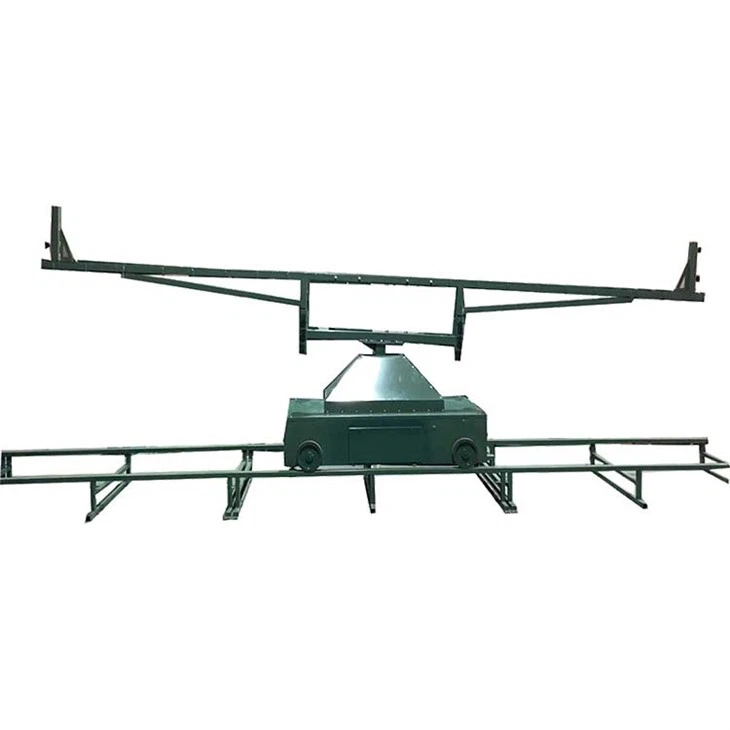

Customizing our products to meet these individual requirements is a challenge. It requires us to have a deep understanding of each customer's needs and the ability to modify our existing designs quickly. Developing custom solutions often means additional research and development work, which can increase costs and lead times.
For example, a military customer might need a target that can simulate the flight of a specific type of enemy aircraft, with very specific speed and maneuverability characteristics. Creating such a customized target involves a lot of detailed work to ensure that it meets the exact requirements.
Competition in the Market
The market for tracked motion targets is highly competitive. There are many other suppliers out there, each trying to offer the best products at the most competitive prices. Standing out in this crowded market is a constant challenge.
To stay ahead of the competition, we need to continuously innovate and improve our products. This means investing in research and development to come up with new features and better performance. We also need to provide excellent customer service, including fast response times, reliable after - sales support, and training for our customers.
In addition, marketing our products effectively is crucial. We need to make sure that potential customers are aware of the unique features and benefits of our tracked motion targets compared to those of our competitors. This involves creating compelling marketing materials, participating in industry events, and building strong relationships with our customers.
Safety and Regulations
Safety is of utmost importance when it comes to tracked motion targets, especially in live - fire shooting scenarios. The targets need to be designed and operated in a way that minimizes the risk of accidents.
There are also various regulations and standards that we need to comply with. These regulations cover aspects such as target design, operation, and safety features. Ensuring that our products meet all the relevant regulations can be a complex and time - consuming process.
For example, in some regions, there are strict rules regarding the maximum speed and movement patterns of targets to prevent them from causing any harm to shooters or bystanders. We need to stay up - to - date with these regulations and make sure that our products are always in compliance.
Training and Support
Once we sell our tracked motion targets to customers, they need to be able to use them effectively. This requires proper training and support from our side.
Providing comprehensive training to customers can be a challenge, especially when dealing with complex systems. We need to develop training programs that are easy to understand and cover all aspects of target operation, maintenance, and troubleshooting.
In addition, offering reliable after - sales support is crucial. Customers may encounter problems with the targets during use, and they need to be able to get quick and effective assistance from us. This means having a dedicated support team that is available 24/7 to answer questions and resolve issues.
Conclusion
Developing tracked motion targets is a challenging but rewarding endeavor. As a supplier, we face a wide range of challenges, from technical complexity and cost constraints to environmental factors and user requirements. However, by continuously innovating, finding cost - effective solutions, and providing excellent customer service, we're able to overcome these challenges and offer high - quality products to our customers.
If you're interested in our Target Board Equipment, Turbulent Target Aircraft, or Shooting Training Target Paper, or if you have specific requirements for a tracked motion target, we'd love to hear from you. Contact us to start a procurement discussion and find the perfect solution for your needs.
References
- Smith, J. (2018). Advanced Tracking Technologies for Motion Targets. Journal of Defense Technology.
- Johnson, A. (2019). Cost - Effective Design Strategies for Tracked Motion Targets. International Journal of Engineering and Technology.
- Brown, C. (2020). Environmental Impact on Tracked Motion Target Performance. Environmental Science and Engineering Review.


