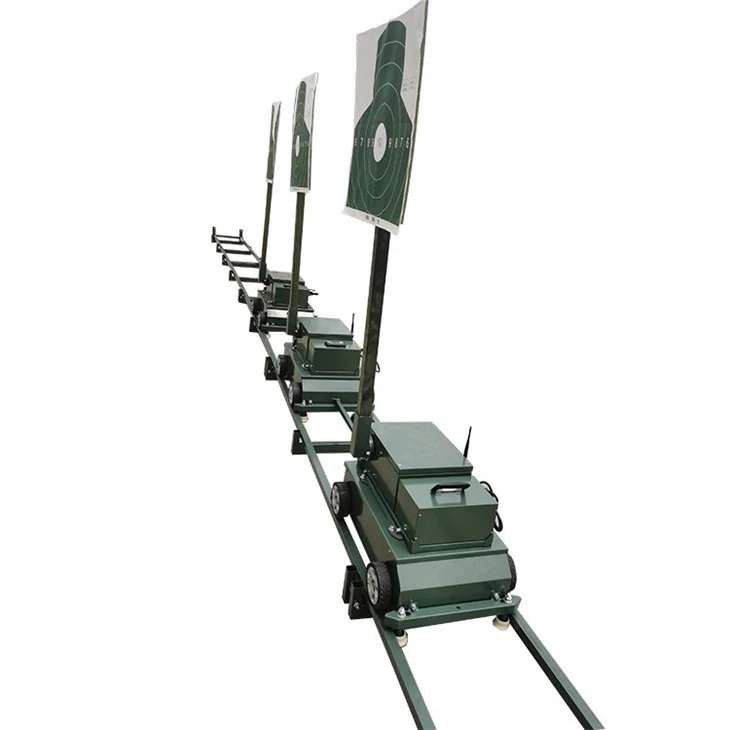
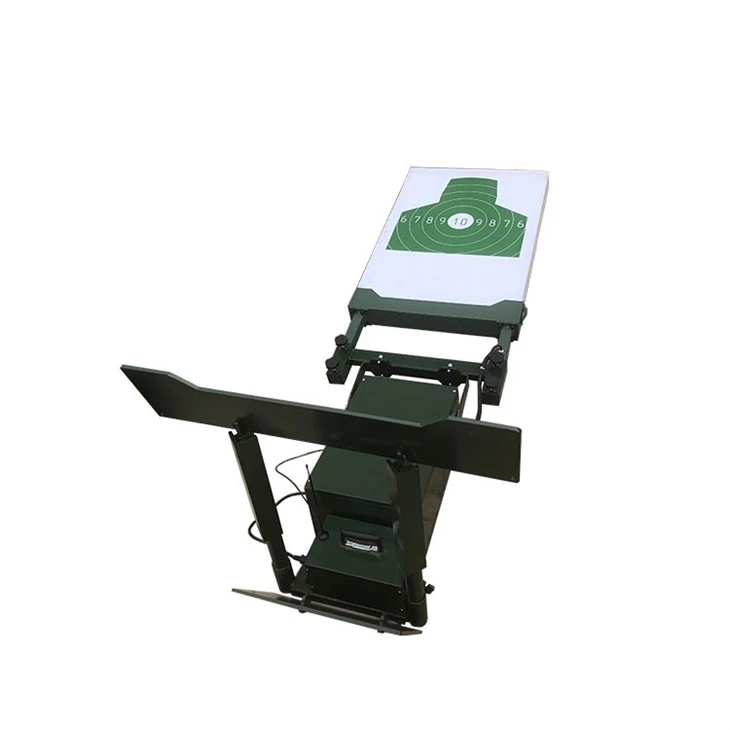
In the realm of military and police shooting training, laterally moving targets play a crucial role in simulating real - world combat scenarios. As a laterally moving target supplier, I have witnessed firsthand the importance and challenges of incorporating threat intelligence into these training systems. Threat intelligence can provide valuable insights into potential threats, enabling more effective training and better - prepared personnel. However, using threat intelligence for laterally moving targets comes with its own set of difficulties.
1. Data Accuracy and Timeliness
One of the primary challenges in using threat intelligence for laterally moving targets is ensuring the accuracy and timeliness of the data. Threat intelligence is often sourced from a variety of channels, including open - source intelligence, classified information, and intelligence sharing platforms. These sources may have different levels of reliability, and the data can quickly become outdated.
For laterally moving targets, accurate and up - to - date threat intelligence is essential. For example, if the intelligence indicates that a particular type of threat is likely to move laterally at a certain speed and pattern, the training system needs to reflect this accurately. Outdated or inaccurate data can lead to unrealistic training scenarios, where the trainees are not adequately prepared for the actual threats they may face.
To address this challenge, it is necessary to establish a robust data validation and update mechanism. This may involve cross - referencing multiple sources of intelligence, working closely with intelligence agencies to get the latest information, and continuously monitoring and evaluating the data. Additionally, investing in advanced data analytics tools can help in filtering out inaccurate or outdated information and ensuring that the threat intelligence used in the training system is of high quality.
2. Integration with Training Systems
Integrating threat intelligence into laterally moving target systems is another significant challenge. The training systems are often complex, with various components such as target movement mechanisms, sensor systems, and scoring systems. Incorporating threat intelligence requires seamless integration with these existing components.
The threat intelligence needs to be translated into actionable parameters for the laterally moving targets. For instance, if the intelligence indicates an increased likelihood of a threat moving laterally in a zig - zag pattern, the target movement mechanism needs to be able to replicate this pattern accurately. This requires a high level of technical expertise and a deep understanding of both the threat intelligence and the training system architecture.
Moreover, the integration process should not disrupt the normal operation of the training system. Any glitches or malfunctions during the integration can lead to a breakdown in the training process and may compromise the effectiveness of the training. To overcome this challenge, it is important to work with experienced system integrators who have a proven track record in integrating complex systems. Conducting thorough testing and validation before full - scale implementation is also crucial to ensure a smooth integration process.
3. Privacy and Security Concerns
Threat intelligence often contains sensitive information, including details about potential threats, locations, and the methods used by adversaries. When using this intelligence for laterally moving targets, privacy and security concerns become a major issue.
The training systems need to be designed in a way that protects the confidentiality of the threat intelligence. This involves implementing strict access controls, encryption mechanisms, and secure data storage solutions. Additionally, any data sharing between different components of the training system or with external partners needs to be carefully managed to prevent unauthorized access.
From a privacy perspective, the use of threat intelligence may also involve collecting and analyzing data about potential threats. It is important to ensure that this data collection is done in compliance with relevant privacy laws and regulations. For example, if the threat intelligence is sourced from public databases, proper consent and data anonymization procedures need to be followed.
4. Complexity of Threat Modeling
Threat modeling for laterally moving targets is a complex task. Threats can vary widely in terms of their characteristics, such as movement speed, direction, and frequency of lateral movement. Additionally, threats may be influenced by various environmental factors, such as terrain, weather conditions, and the presence of other objects.
Creating accurate threat models requires a deep understanding of the threat landscape and the ability to simulate a wide range of scenarios. For example, in an urban environment, a laterally moving threat may be more likely to use cover and concealment, while in an open field, the movement pattern may be more straightforward. The threat models need to take these factors into account to provide realistic training scenarios.
To address the complexity of threat modeling, it is necessary to conduct in - depth research and analysis of the threat environment. This may involve collaborating with military and police experts, conducting field studies, and using advanced simulation tools. Additionally, continuous refinement of the threat models based on real - world feedback and new intelligence is essential to ensure their accuracy and relevance.

5. User Acceptance and Training
Finally, user acceptance and training are important challenges in using threat intelligence for laterally moving targets. The trainees and trainers need to understand the value of incorporating threat intelligence into the training system and be able to use it effectively.
Many trainees and trainers may be accustomed to traditional training methods and may be resistant to change. They may find it difficult to adapt to the new training scenarios based on threat intelligence. To overcome this, comprehensive training programs need to be developed to educate the users about the benefits of threat intelligence and how to use it in the training process.

The training programs should cover topics such as how to interpret threat intelligence, how to adjust the training scenarios based on the intelligence, and how to use the new features of the laterally moving target system. Additionally, providing hands - on training and support during the initial implementation phase can help users become more comfortable with the new system.
In conclusion, while using threat intelligence for laterally moving targets offers significant benefits in terms of improving the effectiveness of military and police shooting training, it also comes with a number of challenges. These challenges range from data accuracy and integration issues to privacy concerns, complex threat modeling, and user acceptance. As a laterally moving target supplier, it is our responsibility to address these challenges and develop solutions that enable the successful incorporation of threat intelligence into our training systems.
If you are interested in learning more about our Laterally Moving Target products and how we are working to overcome these challenges, or if you are considering purchasing our products for your training needs, we encourage you to reach out for a procurement discussion. Our team of experts is ready to assist you in finding the best solutions for your specific requirements. We also offer other innovative target systems such as the Shock Wave Knocks Down Target and the Shock Wave Lifting Target, which can further enhance your shooting training experience.
References
- Brown, A. (2018). "Data Quality Management in Intelligence Systems." Journal of Intelligence and Security Informatics, 12(3), 45 - 57.
- Clark, B. (2019). "System Integration Challenges in Military Training Technologies." Military Technology Review, 23(4), 67 - 78.
- Davis, C. (2020). "Privacy and Security in Threat Intelligence Applications." International Journal of Cyber Security, 15(2), 89 - 102.
- Evans, D. (2021). "Advanced Threat Modeling for Military Training." Defense Science Journal, 32(1), 23 - 34.
- Fisher, E. (2022). "User Adoption of New Training Technologies." Training and Development Quarterly, 45(3), 112 - 123.