

Hey there, shooting enthusiasts and range operators! As a supplier of the Shock Wave Lifting Target, I've had my fair share of discussions about how it stacks up against other lifting methods out there. So, I thought I'd take a moment to break down the differences and give you a clear picture of why our Shock Wave Lifting Target might just be the game-changer you've been looking for.
The Basics of Lifting Targets
First off, let's talk about what we're dealing with. Lifting targets are a crucial part of any shooting range. They allow shooters to practice their skills under different scenarios, simulating real-world situations. The goal is to provide a challenging and realistic experience that helps improve accuracy and reaction time.
There are several types of lifting methods used in shooting ranges, each with its own set of advantages and disadvantages. Some of the most common methods include mechanical, pneumatic, and electronic lifting systems. But before we dive into those, let's take a closer look at the Shock Wave Lifting Target.
The Shock Wave Lifting Target
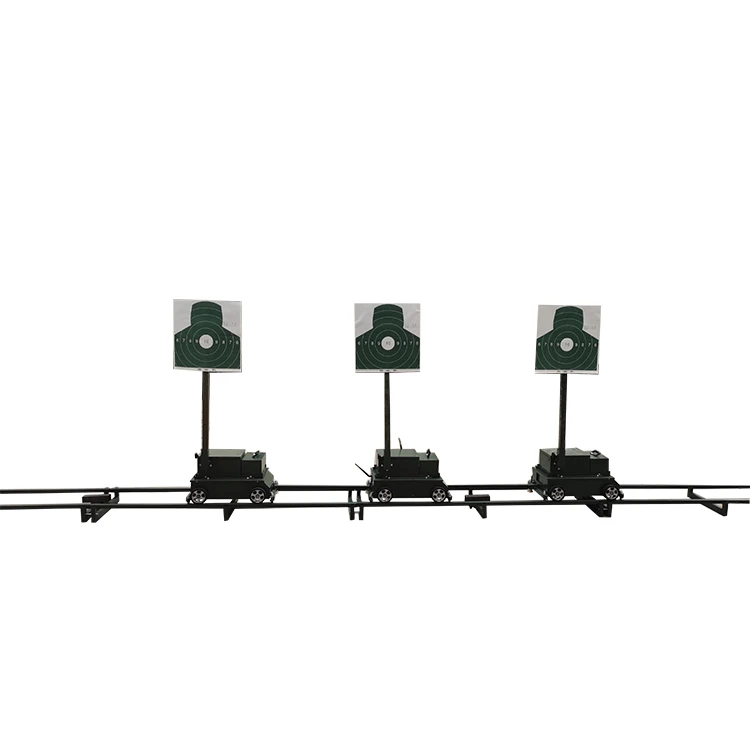
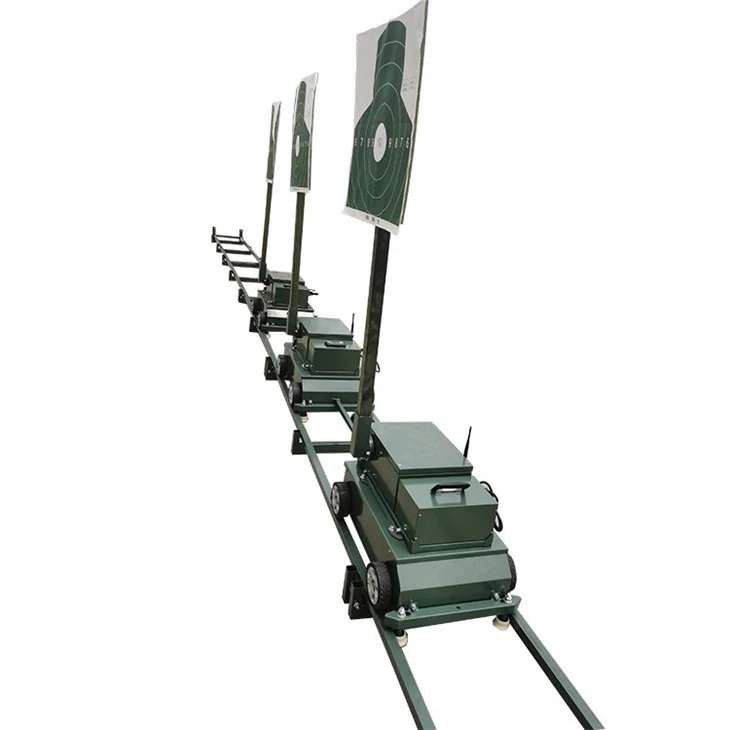
The Shock Wave Lifting Target is a revolutionary piece of technology that uses cutting-edge shock wave sensors to detect bullet impacts. When a bullet hits the target, the shock wave sensors quickly register the impact and trigger the target to lift. This allows for immediate feedback to the shooter, letting them know whether they've hit their mark or not.
One of the key advantages of the Shock Wave Lifting Target is its accuracy. The shock wave sensors are highly sensitive, able to detect even the smallest bullet impacts. This means that shooters can get accurate feedback on their shots, even at long distances. Additionally, the target's quick response time ensures that shooters don't have to wait long to see the results of their shots, which helps keep the training session flowing smoothly.
Another great feature of the Shock Wave Lifting Target is its durability. The target is made from high-quality materials that are designed to withstand the rigors of regular use. It can handle multiple bullet impacts without losing its functionality, making it a reliable choice for any shooting range.
Comparing with Other Lifting Methods
Now, let's compare the Shock Wave Lifting Target with some of the other lifting methods commonly used in shooting ranges.
Mechanical Lifting Systems
Mechanical lifting systems are one of the oldest and most traditional methods of lifting targets. These systems typically use a series of pulleys, cables, and weights to lift the target. While mechanical lifting systems are relatively simple and inexpensive, they have several limitations.
One of the main drawbacks of mechanical lifting systems is their slow response time. It can take several seconds for the target to lift after being hit, which can disrupt the flow of the training session. Additionally, mechanical lifting systems are prone to wear and tear, which can lead to frequent breakdowns and maintenance issues.
Pneumatic Lifting Systems
Pneumatic lifting systems use compressed air to lift the target. These systems are faster and more reliable than mechanical lifting systems, but they also have their own set of challenges.
One of the main disadvantages of pneumatic lifting systems is their high maintenance requirements. The compressed air system needs to be regularly checked and maintained to ensure proper functioning. Additionally, pneumatic lifting systems can be noisy, which can be distracting for shooters.
Electronic Lifting Systems
Electronic lifting systems use sensors and motors to lift the target. These systems are highly accurate and responsive, but they can also be expensive and complex to install and maintain.
One of the main challenges of electronic lifting systems is their susceptibility to interference. The sensors can be affected by electromagnetic fields, which can cause false readings and inaccurate target lifting. Additionally, electronic lifting systems require a reliable power source, which can be a challenge in some shooting ranges.
Key Differences
So, what are the key differences between the Shock Wave Lifting Target and other lifting methods?
Accuracy
As mentioned earlier, the Shock Wave Lifting Target offers unparalleled accuracy. The shock wave sensors are able to detect even the smallest bullet impacts, providing shooters with accurate feedback on their shots. In contrast, other lifting methods may not be as precise, especially at long distances.
Response Time
The Shock Wave Lifting Target has a very quick response time, allowing shooters to get immediate feedback on their shots. This helps keep the training session flowing smoothly and allows shooters to make adjustments to their technique in real-time. Other lifting methods, such as mechanical and pneumatic systems, may have slower response times, which can disrupt the flow of the training session.
Durability
The Shock Wave Lifting Target is built to last. It is made from high-quality materials that can withstand multiple bullet impacts without losing its functionality. In contrast, other lifting methods may be more prone to wear and tear, which can lead to frequent breakdowns and maintenance issues.
Cost
While the initial cost of the Shock Wave Lifting Target may be higher than some other lifting methods, it offers long-term cost savings. Its durability and low maintenance requirements mean that you'll spend less money on repairs and replacements in the long run. Additionally, the improved training experience provided by the Shock Wave Lifting Target can lead to better shooter performance, which can have a positive impact on your bottom line.
Integration with Smart Shooting Range Management
One of the great things about the Shock Wave Lifting Target is its compatibility with the Smart Shooting Range Management System. This system allows you to monitor and control all aspects of your shooting range from a single interface. You can track shooter performance, manage targets, and even generate reports.
By integrating the Shock Wave Lifting Target with the Smart Shooting Range Management System, you can take your training sessions to the next level. You can create customized training scenarios, set targets based on shooter skill levels, and provide real-time feedback to shooters. This not only improves the training experience but also helps you get the most out of your shooting range.
Other Target Options
In addition to the Shock Wave Lifting Target, we also offer the Laterally Moving Target. This target adds an extra level of challenge to your training sessions by moving laterally across the shooting range. It simulates real-world scenarios where targets are in motion, helping shooters improve their tracking and shooting skills.
Why Choose the Shock Wave Lifting Target?
In conclusion, the Shock Wave Lifting Target offers a number of advantages over other lifting methods. Its accuracy, quick response time, durability, and compatibility with the Smart Shooting Range Management System make it a top choice for shooting ranges of all sizes.
If you're looking to upgrade your shooting range and provide a better training experience for your shooters, I highly recommend considering the Shock Wave Lifting Target. We're here to help you make the most of this innovative technology and take your shooting range to the next level.
If you're interested in learning more about the Shock Wave Lifting Target or any of our other products, please don't hesitate to reach out. We'd love to chat with you about your specific needs and see how we can help. Let's start a discussion about how we can enhance your shooting range and improve your training programs.
References
- Industry reports on shooting range technologies
- Manufacturer specifications for the Shock Wave Lifting Target, Smart Shooting Range Management System, and Laterally Moving Target


